Beautetrade.com
5 min Read
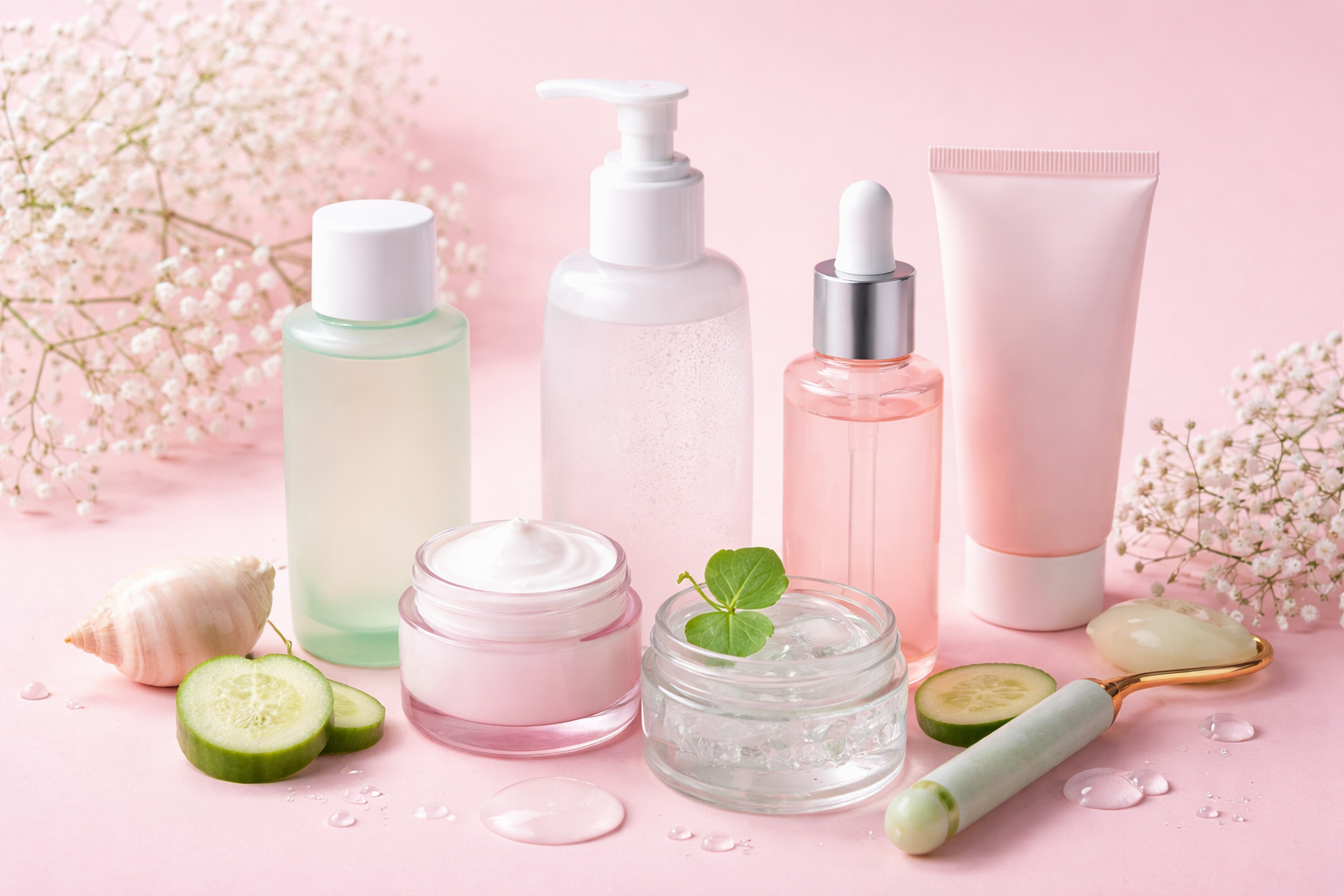
If you look at the skincare market right now, you would see that Korean cosmetics are literally everywhere. And honestly, there is a simple reason for this. They work quite well for people with sensitive skin.
Not just in Korea, the global markets are also witnessing the growth of Korean cosmetics. Soft and calming skincare has become the customers’ most demanded products.
Sensitive skin is not that rare anymore. Especially in this polluted environment, where sunrays and environmental dust affect the skin and cause itchiness, dryness, allergies, bacteria, and acne. Most of the time, people use random, unreliable products as well, which causes damage to the skin. It’s at that time that they want something soothing, hydrating, and healing to the skin, and Korean cosmetics play a big role in this.
Another thing that makes Korean cosmetics popular is how Korean brands market their products: by building skincare routines. They do not believe in using a single strong product for all problems and expecting quick results. Instead, they focus on processes and layers. A soft toner, then a calming serum, then a barrier cream. This slow method really helps the sensitive skin stay safe from damaging chemicals and improves over time.
Now, if you are thinking of sourcing Korean cosmetics, you really need to understand one thing clearly. Ingredients matter more than the branding. A product may look nice on the surface, but what it is made from decides everything.
One of the most common ingredients you will see is “Cantella Asiatica”. Many people also call it “Cica”. This ingredient is known for calming the skin. It helps in reducing redness, irritation, and even supports healing. Many Korean creams and serums use these ingredients because of their gentle properties.
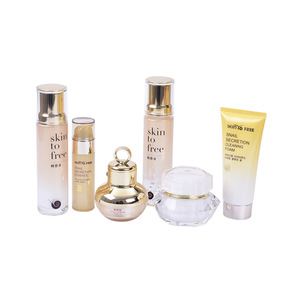
Then there is “Snail Mucin”. At first, it may sound strange, but in skincare, this ingredient is very popular. It helps repair the skin, improve the texture, and keep the moisture inside. For most sensitive skin, this is very useful because it heals without causing any damage.
Another Important ingredient is “Penthanol”. This one is a simple ingredient, but very effective. It helps in keeping the skin hydrated and reduces irritation. You will often see it in soothing creams and daily use lotions.
Then we have “Ceramides”. These are very important for the skin if its barrier is weak. Most of the time, sensitive skin means that the skin barrier is damaged. This ingredient helps fix that. They make the skin much stronger and less reactive.
Other than these, you will find many natural ingredients as well, like green fowl, aloe vera, and chamomile. These are present in almost every skincare product. They are added to give extra calming effects to the skin. When sourcing Korean cosmetics, make sure the ingredients are not just listed on the label but actually used in sufficient quantities.
One mistake that most buyers make is choosing products with too many active ingredients. That may look attractive, but for sensitive skin, simple formulas always work better.
Now let’s talk about the Korean skincare products for sensitive skin. Korean skincare is a process rather than a product.
Korean toners are unlike those harsh ones from Western markets. These provide maximum hydration rather than dryness. They are usually very cool and refreshing for the skin. A good toner can calm the itchiness and dryness right after washing your face. This is the first step to reduce irritation.
Korean market serums are more focused on repairing damaged skin barriers. If someone has redness or itchiness in their skin, a calming serum with “Cica” or “Panthanol” can help them a lot. They mostly absorb into the skin very fast and start working quickly, giving satisfying results.
Creams are a very important part of skincare routines. A good cream works like a moisturizer and helps lock everything in. Korean face creams for sensitive skin are usually light yet moisturizing, making them easier for people who prefer lighter textures. They mainly protect the skin barriers without feeling heavy.
Sheet masks are also a big part of Korean skincare. They are much easier to use and give quick results. Many sheet masks are made of hydrating ingredients to calm the skin and heal the damage barriers. These are good products to include in your inventory if you are planning to build a product line.
There are many brands that offer sprays and soothing gels as well. While soothing ingredients are essential for sensitive skin, many consumers also suffer from dehydration; see our guide to Korean cosmetics for dry skin formulations for a more comprehensive inventory. These are some simple add-ons in the skincare routines, but many people like them because they are easy and refreshing. These types of products are made with natural ingredients that provide a raw effect to the skin, making it very effective.
If you are starting a new skincare brand, do not try to launch everything all at once. Always start with small steps. Try sourcing a toner first, then a serum, and a cream, which are enough to fulfill a routine. Once you build trust, you can add more products.
As Korean skincare continues to grow globally, many brands are building product lines around gentle, sensitive-skin formulations. A common approach is private labeling, where businesses work with manufacturers to bring products to market under their own branding.
Korean manufacturers often offer OEM and ODM services. OEM allows brands to use pre-developed formulations, while ODM involves creating customized products with specific ingredients or performance goals.
For sensitive skin products, brands typically prioritize tested formulations, minimal ingredient lists, and barrier-repair ingredients like Centella Asiatica and ceramides. Packaging also tends to follow a clean and simple design approach to match the product positioning.
This model has made it easier for new and existing brands to enter the skincare market without developing products entirely from scratch.
Due to demand, businesses now often look for reliable ways to connect with manufacturers and suppliers. B2B marketplaces and sourcing platforms have become a common starting point, allowing buyers to explore different product types, ingredient profiles, and supplier capabilities in one place.
Platforms like BeauteTrade, for example, list suppliers offering private-label and wholesale options across categories such as sensitive-skin skincare, UV gel products, and more. These platforms make it easier to compare offerings and understand what’s available in the market before initiating partnerships.
When you are dealing with sensitive skin, certifications are very important. They help you build trust with your customers.
One common label is "dermatologist-tested." This means the product has been thoroughly tested and checked by skin experts. It shows that the product is safe to use on sensitive skin.
Another term that you will notice is Hypoallergenic. This means the product is designed to reduce the risk of allergic reactions. It is very important for sensitive skin products.
Some products are also free from parabens, sulfates, and artificial fragrance. These points are often highlighted in the ingredient descriptions because many people avoid such ingredients now.
Many Korean products follow strict safety rules for this. This is one of the reasons why they are trusted in the global markets.
As a business buyer, though, you should always ask for proof. This includes test reports, ingredient lists, and safety data. Do not skip this step at all. It can save you from big problems. Retailers looking to stock these specialized, sensitive skin products should register as a buyer on BeauteTrade to connect with niche manufacturers.
The Korean skincare market is not slowing down as more and more people are now looking for gentle skincare. If you choose the right ingredients and the right suppliers, you can build a strong brand in this space. Make sure to keep things simple, focus on quality, and always think from the customer’s side. That is what works in the long run.
 Most Popular
 Editor's Pick
 Related Products


![[the SAEM] URBAN DELIGHT Body Lotion - Citron, Skin Care, 400ml, Korean Cosmetic](https://www.beautetrade.com/uploads/images/products/3/6/the-saem-urban-delight-body-lotion-citron-skin-care-400ml-korean-cosmetic1-0590539001554212826.png)
![[Secret Key] Skin Refreshing Nature Toner 248ml - Korean cosmetics](https://www.beautetrade.com/uploads/images/products/4/0/secret-key-skin-refreshing-nature-toner-248ml-korean-cosmetics0-0878418001554213456.png)