Beautetrade.com
3 min Read
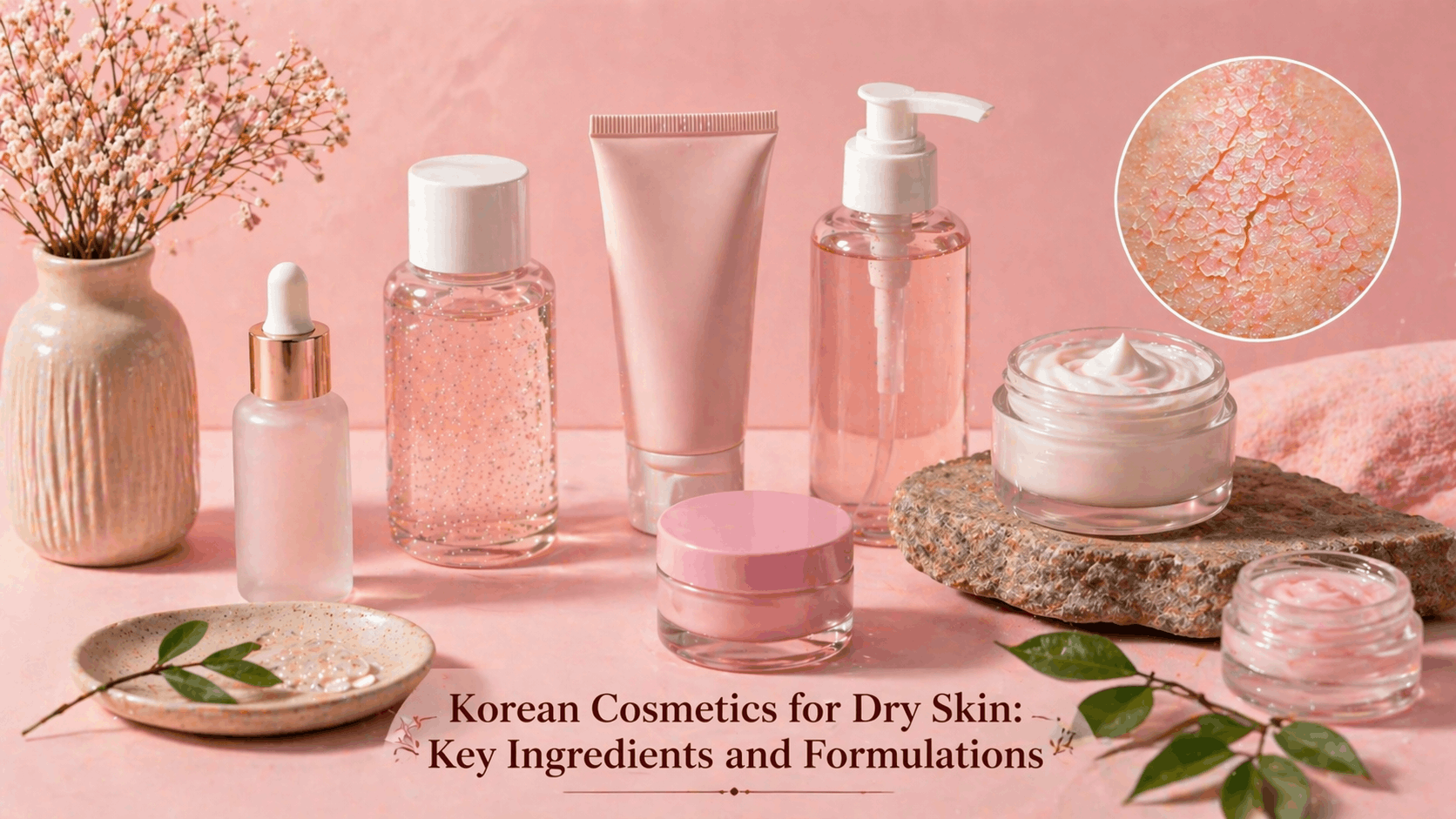
Dry skin is one of the most common skincare concerns, and demand for effective hydration-focused products continues to grow across global markets. This is not a seasonal issue, as many people struggle with dryness year-round and are always searching for products that suit their skin and help heal it.
This is where Korean skincare stands out. It is built around a healing process that includes hydration, layering, and long-term skin repair. This has also influenced how skincare products are developed and positioned in the market.
The real challenge is not the demand of people. It is about choosing the right formulations and finding the right suppliers that can deliver quality in bulk. If you get both of these things, you would not just be selling products, you would be building a loyal brand for your customers.
Korean cosmetics are known for their hydrating properties and healing approach. Instead of treating dryness as a surface issue, they should go deeper. The idea is to improve how the skin holds moisture over time. This is why many Korean cosmetic products are designed to be used in layers. Each layer adds hydration to the skin and helps it absorb.
It matters a lot to the cosmetics businesses, mainly because the customers are becoming conscious and aware. They are not just buying a simple cream and expecting magic to happen. They are actually looking for full routines that will fix the skin issues, like dryness. Korean skincare already fits into these demands.
Another one of the reasons is the focus on the skin barrier. Dry skin usually means that the barrier is weak. Korean Formulations often include ingredients that repair the barrier, so that the skin can protect itself better. This leads to long-term results, which increase customer trust and repeat sales.
There are, in fact, many brands, such as Laneige and COBRX, that have built their reputations on this concept. They focus on hydration and simple but effective formulations, which are exactly what the dry skin needs.
When you are sourcing those Korean cosmetic products, ingredients should be your main focus. Thi sis what decides if your product will actually work or just sit on your shelves.
Hyaluronic acid is one of the most important ingredients in Korean skincare. This ingredient helps the skin hold water and stay plump. Many Korean formulations use multiple types of hyaluronic acid, so they can work on different layers of the skin. This gives much better results than those basic formulas with loads of unknown chemicals.
Ceramides are also very important in Korean skincare. They help repair the skin's barriers much faster. Without a strong barrier, the skin keeps losing moisture. So the products with this ingredient are always in demand for dry and sensitive skin.
Glycerin is a simple yet very effective. It pulls the moisture into the skin and keeps it soft. It is often used with other ingredients to boost hydration. Even though it is a basic ingredient, it plays a big role in how a product performs. Many high-end Korean products still use glycerin because it works well with almost every skin type, and it helps keep the formulation cost balanced.
You will also see many other ingredients like ‘Snail Mucin’, ‘Propolis’, and ‘rice extract’ in many Korean products. These ingredients add extra benefits to the products, like healing, smoothing, and brightening. This makes the products more attractive in the market because they do more than just hydrate. Customers today mostly prefer multi-benefit products, so this will give you an advantage when you are positioning your product line.
The goal is to choose the formulations that combine these ingredients in a balanced way. The customers today check the ingredient lists, so this part cannot be ignored at all.
When you are building a product line, it is most important to understand which product types actually sell well for dry skin.
Essences are a key part of the Korean skincare routine. They are quite lightweight but very hydrating. They prepare the skin for the next steps and improve the absorption. Many customers now look for essences because they have seen the real results. These products are often used as entry-level options because they are now seen as a must-have step, not just an extra.
Creams are the backbone of any dry skin line. Korean creams are designed to lock in the moisture without feeling too heavy. This makes them suitable for daily use. They are usually the product that customers rely on the most, so the quality matters a lot more here. If you perform well, it builds trust in your entire brand.
Sleeping masks are one of the fastest-growing product types. They are easy t use and gives visible results overnight. This makes them very popular in both the online and offline markets. The customers who like products that feel simple but effective, as well as sleeping masks, fit perfectly into that demand. They are also easy to market because the results are quick and noticeable.
Sheet masks are also a very strong category. They are affordable, easy to sell, and give quick hydration. Businesses in the beauty industry use them as entry-level products to attract customers. They are often bought in bulk by consumers, which increases sales volume. They also work well for branding purposes because of their unique packaging.
Serums are more targeted, as they are used for intense hydration and to repair damaged skin. These products usually have higher margins, and customers who understand skincare are willing to spend more on serums because they expect stronger results. This makes the serums a premium category that can increase your overall profit.
As demand for hydrating skincare grows, many brands explore Korean formulations designed for dry skin. These products focus on moisture retention, barrier repair, and long-term hydration.
To understand what’s available in the market, businesses often browse B2B platforms where suppliers showcase product ranges, ingredient profiles, and formulation types. You can browse available options through our Korean cosmetics suppliers and product listings.
Dry skin remains one of the most consistent concerns in skincare, and Korean formulations continue to gain attention for their focus on hydration and barrier repair. Understanding ingredients and product types is a strong starting point for anyone exploring this category.
This is a solid space for cosmetic businesses to work in. If you pick the right formula, then you should focus on the ingredients and source from reliable platforms, as you already have a strong base. The rest would depend on how you position your products and how consistent your quality is.
So if you're planning to start a Korean cosmetics business, dry skin products are honestly one of the safest and smartest categories you should be in.
 Most Popular
 Editor's Pick
 Related Products


![[the SAEM] URBAN DELIGHT Body Lotion - Citron, Skin Care, 400ml, Korean Cosmetic](https://www.beautetrade.com/uploads/images/products/3/6/the-saem-urban-delight-body-lotion-citron-skin-care-400ml-korean-cosmetic1-0590539001554212826.png)
![[Secret Key] Skin Refreshing Nature Toner 248ml - Korean cosmetics](https://www.beautetrade.com/uploads/images/products/4/0/secret-key-skin-refreshing-nature-toner-248ml-korean-cosmetics0-0878418001554213456.png)