Beautetrade.com
3 min Read
Selling sunscreen online to B2B buyers takes more than uploading product photos and listings and waiting for them to reach out. Importers, retailers, beauty brands, and other sunscreen businesses may have different requirements that you may need to meet in different ways.
For example, a retailer may need a low MOQ and attractive packaging, whereas a wholesaler might want competitive wholesale pricing, consistent supply, and market-specific documentation.
That is why, to sell sunscreen online to B2B buyers, suppliers need to put the right kind of product in front of the right customers, with clear commercial information so that it is easier for them to evaluate and order from you.
This guide explains how to sell sunscreen, find buyers, create and present your offer, and prepare for international compliance requirements to help you secure successful business deals.
A structured approach to selling sunscreen online can make the process easier and more manageable for suppliers. It can help them decide how to supply sunscreen and what to list in the product description to attract the right kind of buyer. Here are 3 simple steps to do that.
The sunscreen supplier's selling model determines which customers to target and what they will likely expect from the offer.
|
Selling Model |
Suitable Buyers |
Factors Taken into Consideration |
|
Branded wholesale |
Retailers, distributors, wholesalers |
Brand authorization and market restrictions |
|
Ready stock/wholesale |
Resellers, retailers, e-commerce |
Inventory and fulfillment |
|
Private label/OEM |
Beauty brands, distributors, retailers |
Customization, MOQ, lead time, and testing |
The branded wholesale sunscreen model can work when you have legitimate access to the brands/companies and can consistently provide the stock. Buyers may want proof of authentication and appropriate documentation.
The ready-stock wholesale model works for resellers, retailers, or small-scale businesses who don’t want a custom formulation and want packaged, ready-made products to test the market on a smaller scale.
Private label/OEM gives the buyer greater control over branding and packaging. If you are searching for how to sell private label sunscreen, focus on retailers, wholesalers, and brands that want sunscreen under their own name. Make sure you have enough information on the formulation, SPF, MOQ, lead time, packaging, labeling, and customization, as buyers may want details on all of it.
Before searching for sunscreen buyers, make sure you have all the information the buyer will likely ask for. Your wholesale sunscreen listing or product catalog should contain the following information:
SPF: state the SPF levels in the sunscreen and the intended product positioning.
Formulation: specify whether the sunscreen is mineral, chemical, or hybrid.
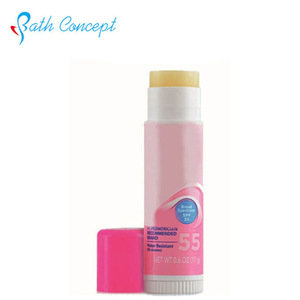
Product packaging/format: state whether the sunscreen will be in a bottle, tube, spray, stick, or other available format.
Size: list the filled volume and the weight for each SKU.
Ingredients: provide the INCI ingredient list and the relevant product specifications.
Packaging: explain standard packaging and the available options, if applicable.
MOQ: state the minimum order quantity for standard or custom sunscreens.
Lead time: clearly state the time required to deliver ready-stock and customized sunscreens.
Testing and documentation: identify the relevant reports and tests for the sunscreen, and ensure you have the appropriate documentation.
Shipping terms: state the applicable shipping and delivery terms when preparing the quotation.
Having this list ready and listed in your catalog or product listing helps sunscreen importers, retailers, distributors, and wholesale buyers to evaluate whether your product meets their needs before getting into a long sales discussion.
The best buyers may not necessarily be the ones with the largest audience. Sometimes they are the ones whose product requirements, purchasing volumes, price expectations, and target market align with what you are supplying.
Potential buyers can include importers, beauty product wholesalers, resellers, retailers, online beauty stores and e-commerce, private label beauty brands, pharmacies or health care retailers, salons, spas, and hospitality businesses. You can find and connect with them in several ways.
If you want to sell sunscreen online, beauty and cosmetic B2B marketplaces can help you find active buyers. Suppliers can not only display their products but also use buyer requirements, RFQs, and direct inquiries to find customers looking for sunscreen.
A beauty-focused B2B marketplace such as BeauteTrade is a great platform to sell sunscreen products to customers in the global market. It helps beauty and skincare brands connect with international buyers and reach new markets. Sellers can showcase their sunscreen products, share product details, and build business connections with buyers from different countries. The platform makes it easier to promote products, grow sales, and expand your brand worldwide. For sunscreen businesses looking to reach more customers and grow internationally, BeauteTrade can be a useful online platform.
Direct outreach can complement B2B marketplaces when you already know which target markets or companies to contact. You can shortlist wholesalers, retailers, private label companies, importers, and beauty brands and review their product range. Then send a cold email or message that clearly communicates the buyer's needs and the relevant sunscreen specifications that fit their business type.
Instead of finding importers or buyers entirely from scratch, you can use importer data, company directories, and buyer records to find out which companies buy or import sunscreens. However, before approaching them, verify the information and check their current product range, target market, order volume, and existing suppliers to determine whether they are a prospective buyer.
Once the supplier has found prospective buyers, the next step is to evaluate and present the sunscreen in a way that matches how buyers purchase and resell the product. For example, a retailer may care more about assortment and in-store presentation, while a wholesaler may focus on order volume, pricing, and supply consistency.
Retailers generally want sunscreens that fit their assortment, pricing structure, and target customers. Along with wholesale pricing, retailers may look into packaging, MOQ, product differentiation, sizes, samples, and supply consistency.
Instead of broadly categorizing your sunscreen as “premium quality”, show the differentiating characteristics of your product instead. A retailer may want to know the SPF, package size, formulation, shelf life, and wholesale price rather than a long list of general sunscreen benefits.
Offering samples or a trial order can also help retailers evaluate the product and gauge customer interest before placing a large order.
Wholesalers generally buy large quantities for resale, so they need a clear understanding of the product's economics and commercial terms. Therefore, mention quantity-based pricing where appropriate, and clearly communicate the MOQ for ready stock and customized sunscreens. They may also want to know whether you can consistently supply sunscreens of the same specifications and maintain the same SKUs for future orders.
When calculating the sunscreen wholesale price, also include manufacturing, packaging, labeling, testing, export packaging, shipping, insurance, and transaction costs, as well as any applicable duties, rather than only mentioning production cost.
Drafting clear wholesale commercial terms helps wholesalers to compare offers more easily and reduce misunderstandings during negotiations.
When deciding how to market sunscreen to wholesale buyers, tailor the quotation or the message to the buyer’s business. For example, a distributor may care about supply volume and pricing, while a retailer may care more about packaging, product positioning, and manageable MOQs.
Adding product images to the listing is still relevant, but they should support the information you list rather than replace it, since the wholesaler needs enough information to decide whether the product fits their product range.
Your product listing, email, or digital catalog should be complete enough that the buyer doesn't need to search for basic information. A concise product description that immediately states the SPF, formulation, MOQ, pricing, size, customization options, and other relevant business information helps the wholesaler evaluate and compare your offer quickly, rather than losing interest early.
Sunscreen’s legal requirements vary country to country, so suppliers should check them before accepting an international order.
For instance, in the United States, sunscreens are listed as OTC drugs as per the FDA framework. Suppliers selling sunscreens to US clients should therefore understand the requirements and claims before marketing their product there.
In the European Union, sunscreens are listed as cosmetic products and come under Regulation (EC) No 1223/2009. The European Commission states that sunscreen claims should be clear, meaningful, and supported by appropriate testing methods.
Other regions have different frameworks for how sunscreen is regulated. ASEAN, for example, has requirements covering cosmetic notification, GMP, product information files, labeling, safety assessment, and claims.
Therefore, never assume that documentation acceptable in one country is also sufficient for another. Also avoid describing OTC sunscreens as FDA-approved unless you have an actual FDA-approved application.
Before selling your product in the market, ensure you have relevant documentation for your sunscreen such as ingredient information, product specifications, SPF or efficacy testing, GMP-related documentation, labeling information, etc.
Suppliers often make these common mistakes when selling sunscreen online, which keep prospective targets from becoming buyers. The mistakes include:
Suppliers compete only on unit price, even though overall expenses may increase once duties, shipping, and other landed costs are added.
Creating an incomplete product listing, causing the buyer to search for or ask for missing information.
Sending generic catalogs rather than a targeted offer, which may make the buyers less likely to engage with them.
Not researching the destination market's legal requirements for sunscreen.
Making unsupported claims without appropriate verifiable documentation.
Avoiding these mistakes can help suppliers avoid losing target buyers and stay compliant with the destination country’s requirements.
Selling sunscreen online can become a repeat B2B opportunity if you focus on customers who better fit your product range rather than reaching out to every buyer possible. However, retailers, distributors, wholesalers, and private label businesses may all have different requirements, so understanding their needs can help you build stronger and more relevant sales opportunities.
Ready to sell your sunscreens online? Sign up on BeauteTrade now, create your supplier profile, and start responding to relevant buying requests to find wholesale opportunities.
 Most Popular
 Editor's Pick
 Related Products