Beautetrade.com
3 min Read
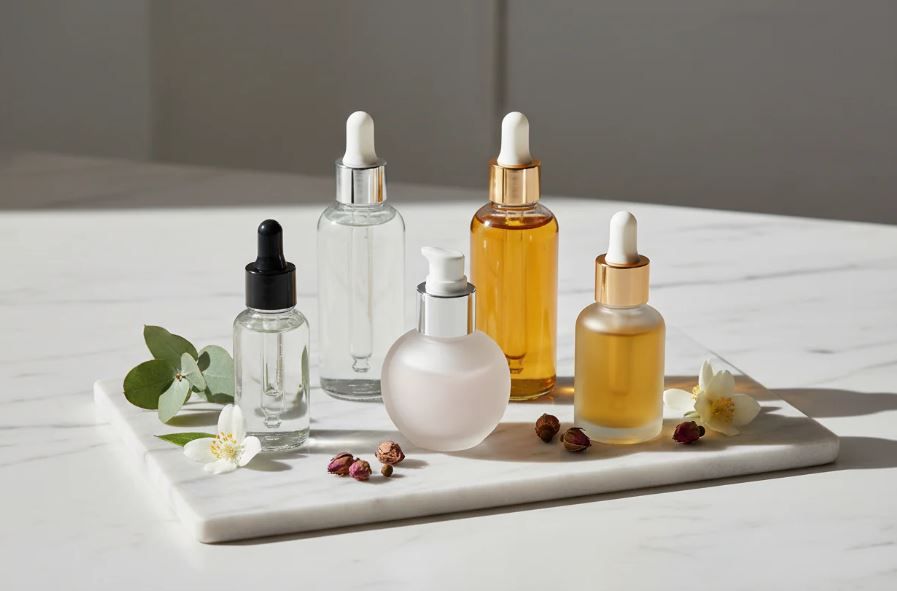
Looks are everything nowadays. From face to body, everything has to be carefully managed and perfected. The daily routines of people, which used to be just basic washup before, have become much more complicated and long. It starts with multiple steps of washup, cleaning the face with different types of foams and toners. Then comes the “get ready” part, with elaborated yet simple makeup and hair care. All these steps lead to a beautiful and flawless outcome, with trendy looks and smooth appearance. However, these looks are not that easy to get, as they require a professional hand and the right products, such as high quality serums.
Beauty serums have been a part of everyday skincare routines for a long time. However, with the advancing formulations, they have to be perfected to give a smooth, glassy look to the face, especially the private label serums manufactured with organic and natural ingredients. They are made into a lightweight liquid or gel that can be applied as moisturizer and makeup base for a finishing look. They are also formulated for treating specific skin concerns. With this evolving nature, serums have long moved from being a luxury item to something many people consider a basic step in skincare routines.
The popularity has led to many people investing into beauty serums, making them quite profitable and valuable among the markets. For many businesses, especially private labels, they are considered a versatile product. Which means that it can be launched as a standalone item or as a part of a broader skincare category as well. This blog acts as a guide for those businesses who want to invest in private label facial serums but don’t know where to start and how to source them effectively.
Although beauty serums have been elaborated with many different purposes, they are mostly valued for their simplicity. They are essentially easy to apply and absorb quickly within the skin. A special feature of serums that makes them very easy to use is the clear liquid that does not require too much rubbing or mixing, giving the face a natural and clean look. This makes them quite popular among the people who want targeted care without using too many damaging products on skin.
From a business perspective, serums are usually a profitable choice. Not only do they allow them to focus on a clear product purpose but also makes it easier for them to enter the market with fewer SKUs. They also work especially well for seasonal or trend-based launches, such as hydration focused products in dry climates, or calming formulations for the sensitive skin.
Serums are relatively easy to store as well, straightforward in shipping and scaling. They have a broader market appeal, which makes them suitable for both small-batch launches, and larger wholesale distributions. As demand continues to grow, the businesses can easily increase the order volumes or expand them into related products, such as moisturizers, toners, or masks. All in all, beauty serums provide a profitable balance between function and flexibility.
Private label serums have become quite popular for skincare brands as a starting point. This is all for a good reason though. Serums are essentially lightweight, highly concentrated, and easy to differentiate through their ingredients, branding, and positioning. There’s a lot of room for customization as well, which allows businesses to market them as unique to their brands.
That being said, sourcing high quality serums for private labels is not that easy. It involves more than just picking a formula and adding a logo to it. It includes understanding the formulations, supplier capabilities, the regulations of the regions, and planning long-term scalability. Following steps provides a breakdown to sourcing high quality private label serums with the right resource and right strategies.
Sourcing private label serums requires proper prior knowledge before even contacting the serum suppliers. These types of serums are actually pre-developed skincare formulations produced by a manufacturer and then sold under the name of a brand. Many businesses prefer to source existing formulas for the serums rather than starting from scratch, as it not only saves on costs, but also provides a professional hand to the formulation.
Private label serums differ from the OEM ones. OEM serum often allows a deeper customization, while the private label ones mostly focus on the speed and lower development costs. They also provide more flexibility on targeting specific skin concerns rather than launching a full product line right away.
Once you understand how the private label serum market works, the next step should be deciding what type of serum you actually want to source. This decision has to be based on both the market demands and the direction your brand wants to go. There are many types of serums, serving different purposes. Not every serum works for every audience, and choosing the right one early can save a lot of time and cost later.
Most businesses, especially the private labels, start by identifying the main skin concern they want to address in skincare. Such as, some serums are designed for hydration, while others focus on brightening, calming, or improving skin texture. Most popular types of serums among the masses these days include lightweight daily-use serums that fit easily into morning and night routines.
After deciding on the type of serum, the next steps are very crucial. This determines the scaling and profit of your business as well. Finding the serum suppliers that can actually produce and supply it at the required quality and scale is difficult. Some businesses and brands explore private label manufacturers and OEM skincare factories that have proper experience in producing serums for different markets. While most of the businesses go for online sourcing platforms.
Beautetrade.com is one such reliable B2B sourcing marketplace that allows businesses to do easy sourcing from highly renowned suppliers and manufacturers from all over the world. The main thing is that this platform connects you with multiple skin care serum wholesalers who can provide high quality products for long-term sourcing. Not only that, the prices listed here are exceptionally low and market competitive, making it easier for startup brands to source quality products within budgets.
Browsing through thousands of suppliers can be confusing. Not all suppliers offer the same level of service, even if they are selling the same products. This step is very crucial as well, as it makes sure that the supplier can actually meet your business needs rather than being an unreliable one. One of the first things to check in a supplier’s qualification is their capability for production, which is the minimum order quantity (MOQ).
Some of the suppliers work with large-scale brands and often require higher MOQs, while others are quite flexible and suitable for small or mid-sized businesses. Customization options should also be discussed clearly. Although most private-label serums are pre-formulated, some suppliers still allow adjustment in ingredients, textures, fragrance, as well as packaging. Understanding carefully these limits of the suppliers can help avoid confusion and regret later.
Ingredients are most important in formulation. Even though most of the private label serums are pre-developed, businesses are still responsible for what they sell under their brand name. Hence, checking the ingredients properly and inspecting whether they comply with the regulations is most necessary.
The suppliers should provide a complete ingredients list of the product, using proper and standard cosmetic naming instead of complex codes. This helps ensure the transparency of the supplier as well, making it easier to meet the local and international regulatory requirements. Some regions have very strict rules regarding the usage of ingredients, labeling of the brands, as well as product claims. Having a clear idea on these can help you protect your business from tariff issues as well.
Once the serum formulation is finalized, pricing comes into focus. Although the quality of the products must not be compromised, pricing is still something that most businesses hesitate on when going for high class suppliers. What they don’t realize is that pricings can always be negotiated, especially when they are sourcing in bulk for a long period of contract. Hence, make sure to negotiate on the pricings before securing the contract.
Packaging also plays an important role in how the product is perceived. A clean and simple design often works well for serums, especially when they are targeting the everyday skincare users. Labels should clearly mention ingredients, usage instructions, and necessary warnings. All these things are very crucial for the product's branding, as they offer more than just a formula.
Before moving into large scale production, most business starts with a test order or samples. This also allows them to test the products in real market conditions before they reach the consumers. For something as sensitive as serums which would directly touch the skin, testing is very important. Once the serum performs well in the market, businesses can start the scaling production easily. This may include increasing order volumes, expanding into related skincare products, or improving packaging and branding.
At this stage, maintaining a stable supplier relationship becomes important. Make sure to communicate properly with the suppliers regarding any customization or after delivery services so that any problem that might arise during the sourcing contract, you can work together with the supplier to handle it. This is why the right supplier matters the most when sourcing for the long-term.
Private label serums offer an accessible and flexible way for businesses to enter the skincare market. However, it may not be that easy to source successfully to achieve profitable results. It requires careful considerations, strategic approach, and realistic planning. Only with the right planning, supplier selection, and gradual scaling, can they become a strong foundation for long-term brand growth.
This blog serves as a guiding light for startup brands who have been hesitating on how to choose the right suppliers and successfully source high-quality private label serums for profitable outcomes. Understanding the market, choosing the right product, and sourcing responsibly are very important in building a successful private label serum line.
 Most Popular
 Editor's Pick
 Related Products