Beautetrade.com
3 min Read
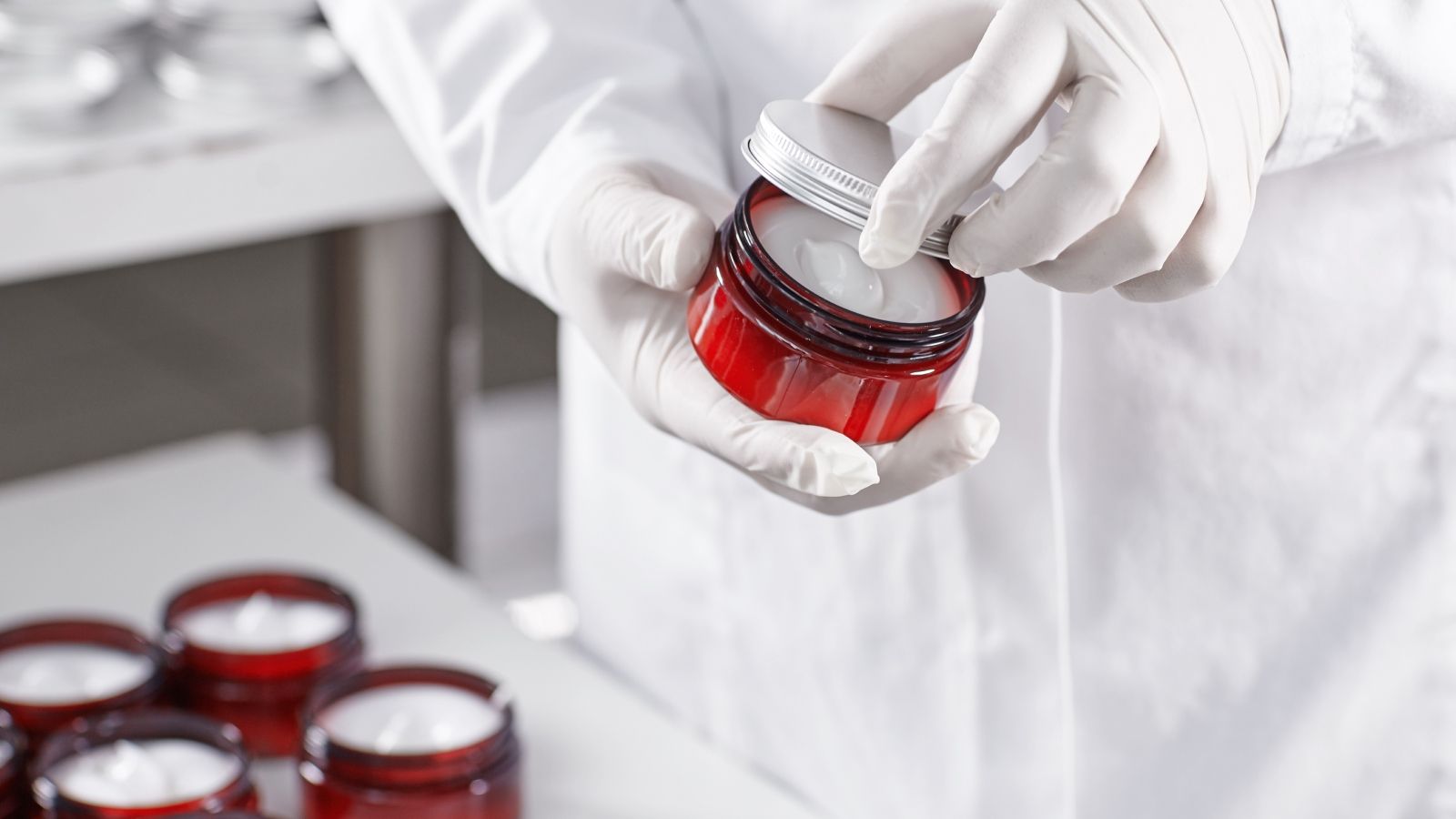
The global beauty industry has seen a massive transformation over the past decade, and Korean beauty (K-beauty) has been at the center of this growth. Known for innovation, skincare-first formulations, and trend-driven product development, Korea has become one of the most trusted hubs for cosmetic manufacturing worldwide.
For entrepreneurs, importers, and private label brands, one of the most important decisions when entering this market is choosing between OEM and ODM manufacturing models. This decision directly impacts your cost, branding control, speed to market, and long-term business success.
In this guide, we will break down the difference between OEM and ODM in K-beauty and help you decide which model is best for your brand.
OEM stands for Original Equipment Manufacturer. In the cosmetic industry, OEM means that the brand provides the product concept, formulation, and sometimes even raw ingredient specifications, while the manufacturer handles production.
In simple terms, you design it, they produce it.
In the OEM model, the brand takes full responsibility for product development by either creating its own formula or working closely with experts to design one. Once the formulation is finalized, the manufacturer steps in to produce the product at scale, ensuring consistency and quality across large batches. This approach gives brands complete control over ingredients, performance, and uniqueness. Additionally, packaging and branding are fully customized based on your specific requirements, allowing you to align the final product with your brand identity. OEM is ideal for businesses that want differentiation and long-term brand value.
Full control over formulation and ingredients
High level of customization
Strong brand identity and uniqueness
Better suited for long-term brand building
Established beauty brands, companies with R&D support, and businesses aiming for unique, premium formulations should choose OEM. OEM is ideal for brands that want full control and long-term differentiation in a competitive market.
ODM stands for Original Design Manufacturer. In this model, the manufacturer has already developed formulas and product concepts. The brand simply selects a product, customizes branding and packaging, and launches it under its own name.
In simple terms, they design it, you brand it.
In the ODM model, the manufacturer already has ready-made formulations that have been developed and tested for the market. Brands can simply choose from an existing product catalog that includes a variety of skincare or cosmetic options. This eliminates the need for research and development, making the process faster and more cost-effective. Once a product is selected, packaging and branding are customized to reflect your brand’s identity, such as logo, design, and labeling. ODM is a convenient solution for businesses looking to launch quickly, minimize risks, and enter the market without heavy investment in product development.
Faster product development cycle
Lower R&D investment
Ready-to-market solutions
Easier entry for beginners
Startups and new beauty brands, small to mid-sized businesses, and companies testing new product lines should choose ODM. ODM is perfect for businesses that want to launch quickly without heavy investment in formulation development.
Understanding the differences between OEM and ODM is crucial before choosing a manufacturing partner.
|
Factor |
OEM |
ODM |
|
Product Formula |
Fully custom |
Pre-developed |
|
Control |
High |
Moderate |
|
Cost |
Higher |
Lower |
|
Time to Market |
Slower |
Faster |
|
Uniqueness |
Very high |
Moderate |
|
Best For |
Established brands |
Startups |
What are the pros and cons of original equipment manufacturing K-beauty products? Let’s find out:
OEM offers complete creative freedom. Brands can develop unique formulations that are not available in the market, helping them build a strong identity and competitive advantage.
Full control over ingredients
Highly differentiated products
Better long-term brand positioning
However, OEM requires more investment and time.
Higher development and production costs
Longer R&D and testing phase
Requires technical knowledge or expert support
Learn about the pros and cons of Original Design Manufacturing K-beauty products below:
ODM is the fastest and most cost-effective way to enter the K-beauty market.
Lower initial investment
Faster product launch
Easy for beginners to enter the market
But it comes with limited flexibility.
Less control over formulations
Similar products may exist in the market.
Limited innovation scope
Choosing between OEM and ODM depends on your business goals and resources.
OEM is the ideal choice for businesses that want full control over their product and brand identity. If you are aiming to build a premium or luxury cosmetic line, OEM allows you to create exclusive formulations tailored to your vision. This option is best suited for brands with a strong budget, as it involves research, development, testing, and customization. You can decide everything from ingredients to packaging, ensuring your product stands out in a competitive market. In the long run, OEM helps establish a unique brand presence and supports long-term growth through innovation and differentiation.
ODM is ideal for startups or businesses looking to enter the market quickly and efficiently. It allows you to choose from pre-developed formulations and simply customize branding elements like packaging and labels. This approach reduces development time, cost, and risk, making it ideal for testing new product ideas or exploring market demand. If you are launching a new brand or working with a limited budget, ODM offers a fast and accessible entry into the beauty industry. While it may not provide complete uniqueness, it enables you to build momentum and scale your business with ease.
Whether you choose OEM or ODM, you can find a wide variety of base formulations in our bulk Korean cosmetics directory.
Selecting the right manufacturing partner is just as important as choosing between OEM and ODM. You should carefully evaluate key factors such as GMP, ISO, and KFDA certifications to ensure quality and compliance. In business selling, MOQs matter, especially if you are a startup or testing the market. Look into product customization options and packaging capabilities to see whether the supplier can align with your brand vision. Always review sample quality and understand the testing process before finalizing. Clear communication and transparency are also essential for smooth collaboration. A reliable manufacturer can significantly reduce business risks and improve your product’s chances of success.
Finding trusted suppliers is easier when you use verified B2B platforms and networks.
B2B marketplaces make it easier to find reliable K-beauty OEM and ODM manufacturers by bringing multiple suppliers onto one platform. You can compare prices, MOQs, certifications, and product ranges quickly, saving time and reducing the effort of sourcing globally.
BeauteTrade is one of the most specialized B2B platforms for the beauty and cosmetics industry, making it an excellent choice for finding K-beauty OEM and ODM partners. The platform connects you directly with verified cosmetic manufacturers, private label suppliers, and skincare experts from Korea and other leading markets. You can explore a wide range of ready-made formulations or discuss custom product development with suppliers. BeauteTrade also allows easy communication, quotation requests, and product comparisons, helping businesses find high-quality partners efficiently while reducing sourcing risks and ensuring better transparency in deals.
Apart from online platforms, there are several effective ways to find reliable K-beauty manufacturers. Attending cosmetic trade fairs in Korea gives you direct access to suppliers, allowing you to explore products, compare quality, and build face-to-face relationships. Another useful method is direct manufacturer outreach, where you contact companies individually to discuss your requirements, pricing, and customization options. Additionally, industry referrals and professional networks can help you connect with trusted manufacturers through recommendations, reducing the risk of unreliable partnerships. These sources often provide more transparency and stronger business connections for long-term success.
These platforms help connect buyers with verified K-beauty manufacturers offering OEM and ODM services.
Many new brands fail due to avoidable mistakes:
They choose suppliers solely on price. Price should not be the criterion; quality should be. Especially for beauty products.
New start-ups often ignore product samples and testing, which is a risk.
They just place their orders without understanding MOQs and hidden costs. You can learn about these risks from our Korean cosmetics import guide.
The business plan must be made with a focused branding and marketing plan. Some brands lack a clear branding strategy.
Poor communication with manufacturers often leads to misunderstandings.
Avoiding these mistakes can save both time and money.
The K-beauty industry continues to evolve rapidly. Some major trends include:
Clean and vegan formulations
Sustainable and eco-friendly packaging
AI-driven skincare customization
Dermatology-backed product development
Personalized beauty solutions
Brands that align with these trends will have stronger global growth potential.
Both OEM and ODM play a crucial role in the K-beauty manufacturing ecosystem. If your goal is speed and affordability, ODM is the right choice. If you want exclusivity and long-term brand strength, OEM is the better option. Ultimately, the best approach depends on your budget, business model, and brand vision. With the right manufacturing partner, you can successfully build a competitive K-beauty brand in today’s global market.
 Most Popular
 Editor's Pick
 Related Products


![[the SAEM] URBAN DELIGHT Body Lotion - Citron, Skin Care, 400ml, Korean Cosmetic](https://www.beautetrade.com/uploads/images/products/3/6/the-saem-urban-delight-body-lotion-citron-skin-care-400ml-korean-cosmetic1-0590539001554212826.png)
![[Secret Key] Skin Refreshing Nature Toner 248ml - Korean cosmetics](https://www.beautetrade.com/uploads/images/products/4/0/secret-key-skin-refreshing-nature-toner-248ml-korean-cosmetics0-0878418001554213456.png)