
Beautetrade.com
3 min Read
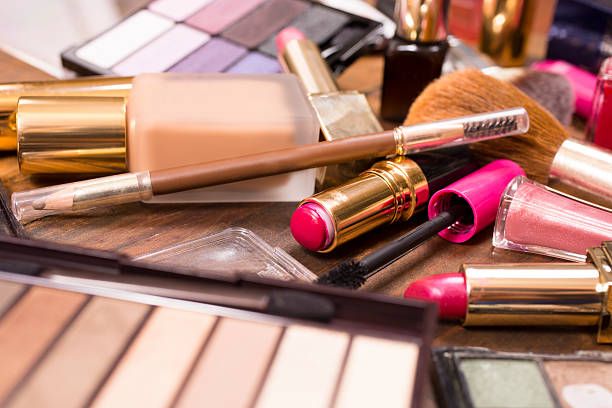
The future of the global beauty industry is looking promising as the market value of cosmetics and personal-care products is expected to reach about USD 450 billion, and experts forecast strong growth in the upcoming years. People nowadays are more concerned about makeup, skincare, haircare, and self-care. Starting a new cosmetic business or brand is more than just a dream; it is a real business opportunity that offers a high profit margin.
With the rising demand for cosmetics globally, starting a cosmetic brand is a profitable idea, especially with natural/organic, skincare, and niche beauty products. Selling organic, cruelty-free cosmetic products offers good profit, as consumers nowadays are increasingly looking for unique, clean, or culturally relevant solutions. A successful brand with the right niche and identity can tap into this growing demand. This blog will take you through 10 essential steps to build a profitable cosmetic brand from scratch. From defining cosmetic brands to launching your products and reaching customers, everything is clearly mentioned in this blog.
The following is a detailed 10-step guide to start a cosmetic brand:
The most important step is to define a cosmetic brand concept that means what kind of cosmetics you want to create, such as makeup, skincare, organic, halal cosmetics, or haircare products, or a mix of all these products. Choosing a brand concept or niche helps you in identifying your target market and allows you to stand out and speak directly to a specific group of customers. Consider who your target audience is by analyzing their age, skin type, lifestyle, concerns, for example, oily skin, sensitive skin, etc. This helps you in designing products that meet real needs.
Furthermore, do a competitor analysis, consider existing local or global brands in your niche to analyze what they are offering at what price, etc. This approach helps you find gaps or opportunities. For example, there might be many general skincare brands, but not as many halal-certified or clean-beauty options in your area. Defining your concept and niche gives your brand a clear direction and helps you build a strong foundation for future growth.
Research the market and current trends once you have a niche. The market of beauty products is changing rapidly. Most of the consumers are now preferring clean beauty, vegan formulas, and sustainable products, or cruelty-free cosmetics. These trendy “new-age” trends can give your brand an edge.
Use free tools such as Google Trends, social platforms such as Pinterest, Instagram, or TikTok to see what people are looking for, what they are talking about, and what’s trending in the cosmetic market. By using social media platforms, you can identify the gaps in the market. For example, is there a need for natural face serums, halal-certified makeup, or affordable haircare for humid weather? Finding these gaps can help you decide which products to create first.
Also, keep tracking consumer behaviors. Are people leaning toward simple skincare routines? Do your customers care about sustainability or worry about chemicals? By researching what matters to them, you can build a brand that meets real needs and gets noticed.
After deciding niche and exploring cosmetic market insights, it’s time to create a Unique Selling Proposition for your brand to differentiate it from other competitors. You can create a strong USP by offering organic ingredients, halal certification, dermatologist-approved formulas, cruelty-free products, or eco-friendly packaging.
Develop a USP that should reflect what matters to your customers, such as clean, safe skincare for sensitive skin, or halal, chemical-free makeup for modest beauty users. This approach clarifies your brand identity and helps it stand out in a busy market. A clear USP also supports your branding, marketing, and customer loyalty, since people know what unique value you offer.
There are a few options for sourcing high-quality cosmetics. To avoid sourcing, you can create your own custom formulation products, or you can find reliable private label cosmetic manufacturers to source high-quality cosmetic products. Each of these options has its own pros and cons. Private-labeling is faster and cheaper, while custom cosmetic formulation gives uniqueness but may cost more and take longer.
To source premium quality products, you can consider a B2B marketplace to get connected with the international best private label cosmetic manufacturers who offer high-quality, safe ingredients ideally meeting relevant standards. To get access to cruelty-free cosmetics manufacturers, you can explore BeauteTrade, Tradewheel.com, and Amazon. These platforms offer seamless B2B cross-trade for wholesale beauty products.
Once you have a product in your hand, start focusing on its branding. Create a strong brand identity that is catchy, easy to remember, and relevant that reflects your niche and values. Design a logo, choose a color palette, and decide on typography and overall brand style. Choose a strong brand story that resonates with customers and helps in building an emotional connection. Good branding helps your products feel professional and trustworthy, and not just random cosmetics.
To make your brand successful and memorable, packaging matters a lot. Choose eye-catching packaging that attracts the buyers and also reflects your brand identity, such as colors, style, vibe, etc. Consider eco-friendly packaging that attracts many consumers nowadays who care about sustainability. Also, make sure that labels are clear, appealing to many consumers today who prioritize sustainability.
Also, clearly mention labels such as usage instructions, list ingredients, warning, expiry date, and follow any legal/regulatory requirements for cosmetic labeling (depending on your market). Good-looking, compliant packaging helps your brand look professional and makes customers more likely to trust you.
Before starting to sell, register your cosmetic business and fulfill all the legal rules to avoid any issues. Register your business as per country regulations, and consider trademarking your brand name to protect it. The most important thing is to follow cosmetic regulations. Most countries have rules about allowed ingredients, safety testing, labeling requirements, and manufacturing standards. It is essential to follow these rules, especially if you are selling in these countries or exporting internationally. Legal compliance not only avoids troubles but also gives customers confidence that your products are safe and authentic.
Once everything is done, formula, packaging, and compliance, test your cosmetic product using quality control techniques. Test every batch for consistency, safety, and stability (shelf life, packaging reaction, etc.). If you can, consider using third-party or stability testing. Ensuring your products are high-quality and safe helps build trust in your brand and reduces the risk of recalls or complaints.
Online presence can make or break a beauty brand in today’s digital business world. Launch a website (user-friendly, visually appealing, mobile-optimized) and optimize it for search engines (SEO). Use content marketing blog posts, skincare tips, and tutorials to attract and engage customers.
Social media marketing is important. Post often on platforms like Instagram, TikTok, or YouTube, where many beauty and cosmetics fans spend time. Work with influencers or beauty bloggers to reach a wider audience. Use email marketing to keep in touch with leads, share updates, and build customer loyalty. A strong marketing plan helps you connect with your audience, grow your brand, and increase sales.
Finally, decide how you want to sell and launch your products. You can use your own online store, join online marketplaces, work with retail stores or salons, or set up pop-up shops. Before you launch, give out samples to engage customers, run giveaways, connect with people on social media, share behind-the-scenes updates, or offer early-bird discounts and pre-orders.
After you launch, ask for customer feedback, answer questions, and use what you learn to make improvements. To keep sales growing, encourage customer reviews, run promotions, and start loyalty programs to build a strong customer base.
Starting a cosmetic brand requires careful planning and several steps, from choosing your niche to launching and promoting your products. If you follow these 10 steps, you’ll build a strong concept, create quality products, develop a clear brand identity, and have a plan to reach your customers.
If you’ve been thinking about starting your own beauty brand, now is a great time. The market is growing, and people are looking for new, trusted, and thoughtful cosmetic brands. Start now to plan your concept, research your market, and start a successful cosmetic brand.
Is it profitable to start a cosmetic brand?
Yes, the global cosmetics market is worth hundreds of billions of dollars and keeps growing. There is demand for new brands, especially in areas like skincare, organic cosmetics, clean beauty, and niche makeup.
How much investment is required to launch a cosmetic brand?
The amount you need to invest depends on your plans. You can start small with small batch manufacturing, simple packaging, and online-only sales to keep costs down. If you want bulk production, premium packaging, and professional formulation, you will need to invest more.
Can I start a cosmetic brand at home?
Yes, you can start a cosmetic brand from home. Using private-label or contract manufacturers and making small batches makes this possible, especially if you start with online sales and simple packaging.
Which cosmetics sell the most?
Right now, skincare products like cleansers, serums, and creams are top sellers. Makeup and haircare also do well. However, demand can change depending on the region, your target audience, and trends such as natural or sustainable products.
 Most Popular
 Editor's Pick
 Related Products


![[the SAEM] URBAN DELIGHT Body Lotion - Citron, Skin Care, 400ml, Korean Cosmetic](https://www.beautetrade.com/uploads/images/products/3/6/the-saem-urban-delight-body-lotion-citron-skin-care-400ml-korean-cosmetic1-0590539001554212826.png)
![[Secret Key] Skin Refreshing Nature Toner 248ml - Korean cosmetics](https://www.beautetrade.com/uploads/images/products/4/0/secret-key-skin-refreshing-nature-toner-248ml-korean-cosmetics0-0878418001554213456.png)