Beautetrade.com
3 min Read
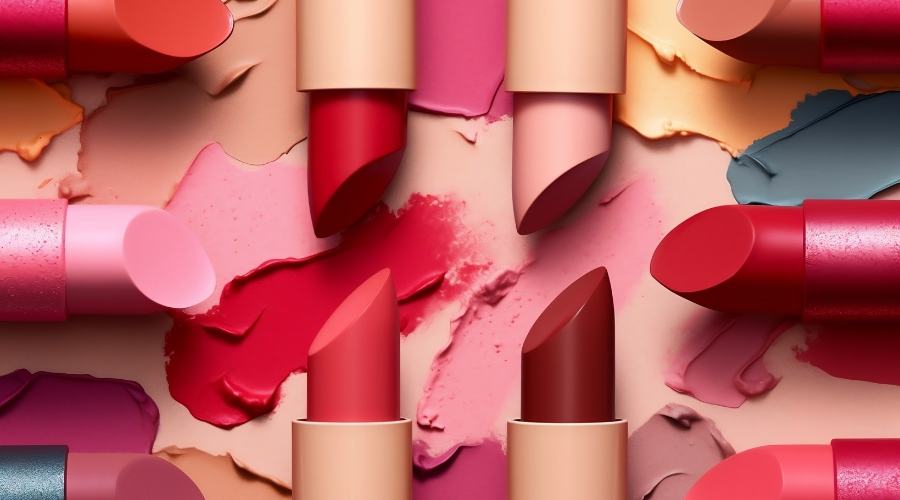
South Korea is one of the world's most innovative cosmetics exporters, with K-beauty products in demand across North America, Europe, the Middle East, and Southeast Asia. Korean makeup manufacturers and wholesale suppliers can reach international B2B buyers through dedicated B2B marketplaces, trade shows like Cosmobeauty Seoul, and direct distributor partnerships. Successfully exporting Korean cosmetics requires meeting each target market's regulatory requirements, FDA for the US, CPNP for the EU, and ASEAN Cosmetic Directive for Southeast Asia, alongside strong product differentiation and reliable supply chain systems.
South Korea has built a strong name in the beauty industry. Buyers across the world still look at Korean makeup as something advanced and reliable. But many Korean suppliers still struggle to sell their products internationally.
Not because their products are bad. Mostly because they don't present them in the right way for global buyers. So today, let's learn how to sell Korean Makeup Internationally to buyers and distributors for maximum profit.
Most international buyers may be unfamiliar with you. They don't know much about your brand, your factory, or your history. So they don't trust fast. They open many tabs, compare many suppliers, and close most of them. If your page does not answer their questions quickly, they will leave without any message or consideration.
If you want to understand how to sell Korean makeup to international buyers, you need to think like them. They want clear info, authenticity, transparency, and professionalism of a seller. They prefer to deal with those who are easy to communicate with and have a lower risk.
K-beauty is still in strong demand in 2026. It hasn't slowed down and instead increased by a large margin. Before, buyers used to focus only on trending items. Now, they focus more on results. The products that can improve skin issues while offering a light makeup look are more popular. Things like cushion foundation, BB cream, liptint, and skin tint still sell well.
Buyers also ask for barrier repair creams, glass skin serums, and hybrid makeup. Ingredients these days matter more than before. Most buyers look for active chemicals like niacinamide, ceramides, snail mucin, and fermented extracts. These are not new, but they still perform well. When you export Korean makeup wholesale, make sure to highlight these clearly.
K-beauty also grows well because of its culture. Korean dramas and music has pushed beauty trends worldwide. Social media has spread it even faster. This keeps the demand alive in many markets like the US, Germany, UAE, Vietnam, and Australia. Buyers in these countries actively search for Korean cosmetics B2B international suppliers.
But the demand alone is not enough; you must meet the requirements as well.
Now comes the important part: what the international buyers actually need for the Korean makeup suppliers.
Every country has its own rules and buyers have to abide by these rules to buy products. Many suppliers think that the prices matter most, but for international buyers, compliance comes first. If you don't show it clearly, they don't even start the conversations. They assume you are not ready for export. So they skip you and move to another supplier.
For the US market, buyers focus on safety and transparency. They expect you to follow the rules set by the US Food and Drug Administration. This means your facility should be registered under MoCRA.
For Europe, the process is stricter and more detailed. Buyers expect full compliance with EU rules. You must register your product in the Cosmetic Products National Portal before selling.
For Middle East markets, requirements focus on safety and religious standards. Many buyers ask for halal certification for products to be sold in markets like the UAE and Saudi Arabia.
For Southeast Asia, rules follow the ASEAN cosmetic directive. But each country handles it in its own way. Thailand used NPIC, Indonesia used BPOM, and Singapore uses HSA.
One more thing many suppliers miss. You should not wait for buyers to ask about compliance. You should show it upfront. Add certifications and documents in your product listing. Mention markets where your product already meets requirements. This saves time and builds trust early.
Now this is the part where most suppliers hesitate. They don't prepare enough for this part. Then they wonder why the buyers don't move forward with them.
KFDA certification helps a lot here as it gives confidence to buyers who may not know your company, but they know the Korean standards. They trust the system behind the product. So when they see KFDA compliance, they feel that the product has already passed strict checks and can be considered reliable. This reduces their risk and compels them to buy it.
KFDA comes from the Ministry of Food and Drug Safety. This organization controls cosmetics safety in Korea. It checks the manufacturing process, ingredients, and product quality. So when you mention KFDA, you are not just adding a word. You are showing that your product follows a strong system.
Ministry of Food and Drug Safety — controls cosmetics safety in Korea. Checks manufacturing process, ingredients, and product quality.
Global standard for cosmetic GMP. Many international buyers already know it. They use it to compare suppliers from different countries.
This is where many suppliers make a mistake. They have these certifications, but they don't show them properly. They only upload them to documents or hide them in profile sections. This causes the buyers to miss them and assume it's not even there.
Now the next question is simple. Where do buyers actually find you?
Most suppliers try too many things at once. They send emails, post on social media, and try random contacts. Then they get no clear result. The better way is simple. Go where buyers already search.
B2B marketplaces work like a ready market as buyers come there with a purpose. They are not just scrolling. They are looking for suppliers, comparing options, and sending inquiries. This is why platforms work faster than cold outreach.
BeauteTrade is a prime example of a B2B marketplace built only for beauty and cosmetics. This is important. It means that the traffic is not random. The buyers already want makeup, skincare, or beauty products. So when you list your Korean makeup there, you don't need to convince people to be interested.
This is where it becomes different from general platforms. On large marketplaces, you compete with thousands of unrelated products. Buyers jump from one category to another. Most of them are not even seriously looking. However, on a focused platform, the buyer intent is stronger.
Another thing that helps is category targeting. On a beauty-focused platform, your product sits in place. Buyers filter by product type, ingredient, MOQ, or certification. If your listing is clear, it shows up in these filters. This is how buyers discover new suppliers without you reaching out.
This platform also gives tools that many suppliers don't fully use. For example, buyer directories. You can search for buyers by country. If you want distributors in the UAE, Germany, or Vietnam, you can find and send a message. This changes your role from waiting to active selling.
There is also an RFQ flow. Buyers post what they need, and suppliers respond. This is one of the fastest ways to connect with active demand. Instead of hoping someone finds your listing, you go directly to buyers who are already looking.
Now let's talk about your product listing. This is where most deals start or end. A listing is not just product information. It is your first sales pitch. It is also your first trust check. Buyers decide in a few seconds if they will continue or leave. They don't read everything. They scan. So your listing must be easy to understand, even if someone reads only 20% of it.
Many Korean suppliers still write listings only in Korean or partly in Korean. This is a big problem for global trade. International buyers cannot understand it. And if they cannot understand it, they do not wait for a translation. They simply move to another supplier.
English is not just about looking professional. It is about being searchable and reachable. Buyers type simple English words like "Korean lipstick OWM suppliers" or "K-beauty wholesale cushion foundation." If your listing is not in English, you are not part of that system. You are outside the market.
This is the most important line in your listing. Many suppliers try to make it sound premium or creative, and that usually fails. Buyers do not search for creativity. They search for product type, function, and business terms.
You should also understand how buyers think when they read a title. They are not impressed by fancy words. They are checking three things. What is it? Can I resell it? Is the supplier ready for export? If your title answers these three things quickly, you get more clicks.
This is where many listings become too heavy or too empty. Some suppliers write long marketing paragraphs. Some only write two lines. Both are weak. Buyers want structure in a natural way. Not formal writing. Not storytelling. Just clear facts in a simple flow.
You should explain what the product is in one or two lines. Then explain what makes it different. Then explain options like shades, packaging, or customization. Then explain business terms like OEM, ODM, MOQ, and certification. This is enough. No need for extra language.
For example, if you sell lip tint, do not say "luxury beauty innovation for modern lifestyle." That does not help buyers. Instead, say it is lightweight, long-lasting, available in multiple shades, and supports private label. This is real information that supports a buying decision.
Pricing is one of the biggest reasons Korean suppliers either win international buyers or lose them quickly. Many suppliers think that a low price brings in more inquiries. In real export trade, it often works the opposite way.
Buyers don't only compare price. They compare trust, clarity, and risk. If your pricing looks unclear or unrealistic, they move away, even if your product is good.
This is why you should not try to compete only on price. If you try to match very low Chinese pricing, you usually lose your margin and also lose trust. Buyers may even think your quality is lower if the price is too low. International buyers often link price with product reliability. So your goal is not the lowest price. Your goal is to achieve the correct market price with clear value.
Now let's talk about mistakes. These are small, but they cost real deals.
| Mistake | Why It Costs You Deals |
|---|---|
| Listing Not in English | International buyers don't wait for translations. They simply move to the next supplier. |
| No Compliance Preparation | EU buyers expect CPNP and Responsible Person setup. Unprepared suppliers are seen as high risk. |
| Slow Response Time | Buyers contact multiple suppliers simultaneously. The first to respond often gets the deal. |
| No Sample Option | No buyer places bulk orders without testing. No sample process = lost buyer. |
| Weak Product Images | K-beauty sells through visual identity. Inconsistent images reduce perceived product quality. |
If you manage to avoid these subtle mistakes, your chances may improve a lot.
You need to follow the FDA rules. This includes facility registration and proper ingredient labeling in English. Many buyers also ask for lab reports and safety data. So if you prepare these in advance, you can move faster with the US buyers.
You can use B2B platforms, trade shows, and direct outreach. Platforms like Beautetrade help you connect with international buyers and distributors without having to go through complicated processes.
Yes. You must have a Responsible person in the EU. This is required for legal entry. Without it, you cannot register your product in CPNP or sell in Europe.
Beautetrade is one of the best B2B platforms widely used for connecting with international buyers and distributors who are looking to source Korean beauty products.
Most buyers prefer low MOQ for first orders. A range between 200 and 500 units works well. This allows them to test your products before placing larger orders.
 Most Popular
 Editor's Pick
 Related Products


![[the SAEM] URBAN DELIGHT Body Lotion - Citron, Skin Care, 400ml, Korean Cosmetic](https://www.beautetrade.com/uploads/images/products/3/6/the-saem-urban-delight-body-lotion-citron-skin-care-400ml-korean-cosmetic1-0590539001554212826.png)
![[Secret Key] Skin Refreshing Nature Toner 248ml - Korean cosmetics](https://www.beautetrade.com/uploads/images/products/4/0/secret-key-skin-refreshing-nature-toner-248ml-korean-cosmetics0-0878418001554213456.png)