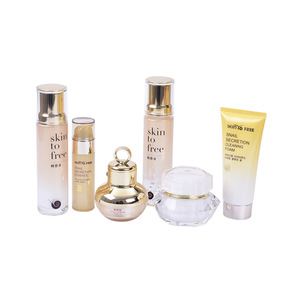
Beautetrade.com
3 min Read
Korean beauty items are the most popular products. These product demands are growing rapidly in the international market. From the UAE to the United States, beauty product buyers are continuously looking for skin-friendly and trendy cosmetics every day. K-beauty is no longer just a Korean trend; now it has become a global beauty movement. Now, many entrepreneurs want to learn how to sell Korean makeup and build a profitable online beauty business. The rise of beauty influencers, social media, and cross-border e-commerce has made it easier than ever to connect with global beauty buyers.
The most important reason for Korean cosmetic popularity is their affordable luxury appeal and innovative formulas. The Korean brand strongly focuses on lightweight textures, glowing skin, natural ingredients, and stylish packaging. Products such as lip tints, cushion foundations, and BB creams attract those customers who want both makeup and skincare benefits in one product. Modern customers also love vegan beauty products and cruelty-free cosmetics, which are so common in the Korean beauty industry.
This guide will help you step-by-step if you want to enter the growing K-beauty market. The article will help you in learning how to find reliable Korean makeup buyers, choosing the right business model, working with trusted suppliers, and marketing products globally. Whether you are a beginner, reseller, or beauty entrepreneur, this blog will help you start and grow a successful Korean beauty export business.
In 2026, the international K-beauty industry is leading the market. Many beauty consumers are now preferring lightweight, skincare-focused cosmetics instead of heavy makeup products. Korean brands lead this trend because of healthy skin ingredients, innovative formulas, and stylish product designs. Now, most of the startups are learning how to export K-beauty products because the international demand is increasing.
In the popularity of Korean cosmetics, K-pop stars and Korean dramas also play a huge role. Fans worldwide want to copy the flawless makeup looks of Korean celebrities. The popular social media platforms such as Instagram and TikTok further spread these beauty trends even faster. For businesses that want to sell K-beauty online, this has created more opportunities.
The expansion of e-commerce has also helped the Korean beauty export business to grow globally. Customers can now easily order products directly from international marketplaces and websites. As a result, most of the retailers are looking for global buyers for Korean makeup and trusted Korean cosmetics wholesale suppliers to meet the competitive rising demand.
In the global market, South Korean makeup products perform the best. Here are the following best categories of Korean Makeup:
Cushion foundations are popular since they offer light coverage and leave skin looking radiant.
Lip tints are still bestsellers because of their lasting color and how easy they are to use every day.
BB creams keep attracting people who want both skincare and makeup in one product.
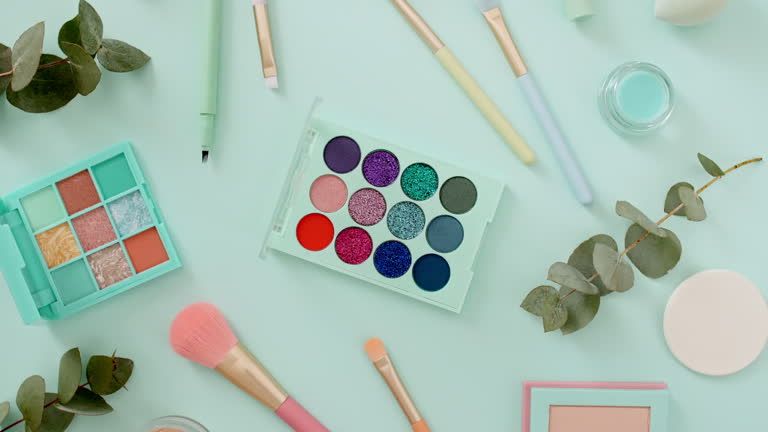
Korean eye palettes are popular too, especially for their soft shades and on-trend colors.
Vegan and cruelty-free beauty products are becoming more popular as more people look for ethical options.
The biggest market for Korean cosmetics in the world is the United States. In the US, consumers are looking for new makeup products that also offer skincare benefits. In the UAE, premium beauty products are especially popular with younger shoppers, making it another strong market.
In the K-beauty demand, the UK, Indonesia, and Pakistan are experiencing rapid growth. Online shopping and beauty influencers have made Korean cosmetics more popular in these regions. Companies looking to enter the global K-beauty market can focus on these countries to find strong sales opportunities.
To sell Korean makeup to international buyers, follow this simple step-by-step guide:
Reselling popular Korean brands is one of the easiest ways to start. Beginners can buy products from trusted wholesalers and sell them online without creating their own formula. This model has lower branding costs and requires less investment. Many small businesses use this strategy to enter the global K-beauty market quickly.
The next is private-labeling options that allow you to create your own beauty brand using Korean manufacturers. You can customize packaging, branding, and product designs based on your target market. This model offers higher profit margins and a stronger brand identity.
Many businesses use private-label strategies for long-term growth in the Korean skincare and makeup export industry. Although the startup cost is higher, this model gives more control over branding and customer loyalty.
Another business model option is dropshipping, which is a low-risk option for beginners. You do not need to keep inventory or manage warehouse storage. The supplier ships products directly to customers after each order. This reduces upfront investment and helps businesses test new markets quickly. Many startups use dropshipping to understand buyer preferences before scaling their operations. It is one of the simplest ways to start learning how to sell Korean makeup globally.
Last but not least, wholesale distribution focuses on selling products in bulk to retailers, salons, and e-commerce stores. This model can generate larger profits because of higher order quantities. Businesses working in wholesale often build long-term partnerships with retailers and beauty distributors.
Finding trusted suppliers is one of the most important steps in the Korean beauty export business. Reliable wholesalers provide authentic products, better pricing, and smoother shipping processes. Many trusted cosmetic businesses rely on BeauteTrade to find and connect with genuine Korean makeup suppliers to get high-quality, authentic Korean cosmetic products at wholesale rates in bulk. Working with experienced wholesalers also helps businesses access trending products faster. This is especially useful for brands targeting international beauty buyers.
Before working with any supplier, check their business registration and export licenses. Reliable suppliers should provide ingredient transparency, safety documents, and clear MOQ requirements. This reduces the risk of counterfeit or low-quality products. Always verify customer reviews and business history before placing large orders. Trusted suppliers are open about certifications and manufacturing details.
To discover new products and connect with suppliers directly, beauty trade shows are excellent places. Such types of events help business owners in understanding current beauty trends and comparing different manufacturers all in one place. Networking opportunities at trade shows can lead to long-term supplier partnerships. Many Korean cosmetic manufacturers also introduce exclusive products during these exhibitions.
Every country has different cosmetic import rules. In the United States, products must follow FDA cosmetic regulations. European countries require strict EU cosmetic compliance standards, while GCC countries have separate rules for imported beauty products. To avoid customs delays and legal issues, understanding these types of regulations is important. It also helps in building trust with global customers.
Many countries require import permits, reseller authorization, or cosmetic registration before selling beauty products. The exact requirements depend on your target market and the type of cosmetics you sell. Cosmetic labels should clearly show ingredients, expiration dates, and country of origin. Many countries also require instructions and safety information in local languages. Accurate labeling improves transparency and helps customers trust your products. Poor labeling can cause shipment delays or product bans.
Always avoid counterfeit cosmetics. Selling fake products can damage brand reputation and lead to legal penalties. Work only with authorized distributors and obtain reseller permission when needed. Trademark protection is especially important if you are launching a private-label beauty brand. Cruelty-free, vegan, and halal beauty certifications are becoming more important globally. Many customers now actively search for ethical and clean beauty products.
Choose reliable shipping partners like DHL, FedEx, and EMS Korea to help businesses deliver products safely and quickly. Fast shipping improves customer satisfaction and reduces refund requests. Businesses should understand HS codes, import taxes, and restricted cosmetic ingredients before shipping globally. Customs delays often happen because of missing paperwork or incorrect product information.
Learning import rules early helps avoid unexpected costs and shipping problems. Use leak-proof packaging to protect products during international delivery. Eco-friendly packaging also attracts eco-conscious buyers.
Many beauty brands now create influencer-ready packaging with premium unboxing experiences to improve social media marketing. Local warehouses and fulfillment centers can reduce shipping times significantly. Faster delivery improves customer trust and increases repeat purchases. Businesses selling globally often use regional fulfillment partners for better logistics management.
- Use K-Beauty Content Marketing
Content marketing is one of the best ways to attract global beauty buyers. Tutorials, skincare routines, and before-and-after videos help customers understand product benefits clearly. Educational beauty content also improves SEO rankings and builds trust with potential buyers.
- Leverage Influencer Marketing
Micro influencers and beauty creators have strong engagement with niche audiences. Many K-beauty brands use affiliate programs to increase global product exposure. Authentic influencer reviews often generate more trust than traditional advertising campaigns.
- Optimize for SEO and AI Search
Modern beauty brands should focus on conversational keywords, FAQ schema, and entity-rich content. Product comparisons and detailed buying guides help websites rank better in AI-powered search results. Using semantic keywords naturally improves visibility for terms like how to sell Korean makeup and Korean makeup buyers.
- Run Paid Ads Strategically
TikTok ads work well for beauty tutorials and viral product campaigns. Meta ads help brands target specific audiences based on interests and shopping behavior. Google Shopping campaigns are also effective for attracting buyers searching for Korean cosmetics directly.
- Build Trust With Reviews
To increase buyer confidence, add user-generated content, testimonials, and video reviews. Almost every customer checks product reviews before purchasing beauty products online. Positive customer experiences can improve conversions and strengthen brand reputation globally.
- Counterfeit Products
Many businesses struggle with fake Korean cosmetics in the market. Working with verified suppliers and authorized distributors helps reduce this risk.
- High Shipping Costs
International shipping can become expensive for small businesses. Bundling products and using local fulfillment centers can lower overall delivery costs.
- Market Competition
The K-beauty market is highly competitive. Businesses can stand out through niche targeting, unique branding, and specialized product collections.
- Regulatory Delays
Import compliance issues can delay shipments. Preparing documents early and understanding country regulations helps businesses avoid delays.
- Clean Beauty and Vegan Cosmetics
Clean beauty and vegan cosmetics are becoming major trends in the global beauty industry. Consumers now prefer products with safe ingredients, cruelty-free testing, and sustainable packaging. Korean beauty brands are adapting quickly to this demand.
- AI-Powered Beauty Recommendations
AI technology is changing how beauty products are recommended online. Personalized skincare analysis and smart beauty tools help customers choose products based on skin type and preferences. This trend is improving online shopping experiences globally.
- Personalized Makeup Products
Many brands are now creating customized beauty products for different skin tones and beauty preferences. Personalized makeup collections help businesses attract loyal customers in competitive markets.
- Growth of Cross-Border E-commerce
Cross-border trade continues to grow rapidly in 2026. International buyers now purchase beauty products directly from overseas brands more confidently than before. This creates strong opportunities for businesses entering the Korean beauty export market.
Selling Korean makeup internationally is a strong business opportunity in today’s growing beauty market. Global consumers love K-beauty products because of their innovative formulas, stylish packaging, and skincare benefits. Whether you choose reselling, private-labeling, dropshipping, or wholesale distribution, success depends on working with trusted suppliers and building a strong online presence.
 Most Popular
 Editor's Pick
 Related Products


![[the SAEM] URBAN DELIGHT Body Lotion - Citron, Skin Care, 400ml, Korean Cosmetic](https://www.beautetrade.com/uploads/images/products/3/6/the-saem-urban-delight-body-lotion-citron-skin-care-400ml-korean-cosmetic1-0590539001554212826.png)
![[Secret Key] Skin Refreshing Nature Toner 248ml - Korean cosmetics](https://www.beautetrade.com/uploads/images/products/4/0/secret-key-skin-refreshing-nature-toner-248ml-korean-cosmetics0-0878418001554213456.png)