Beautetrade.com
3 min Read
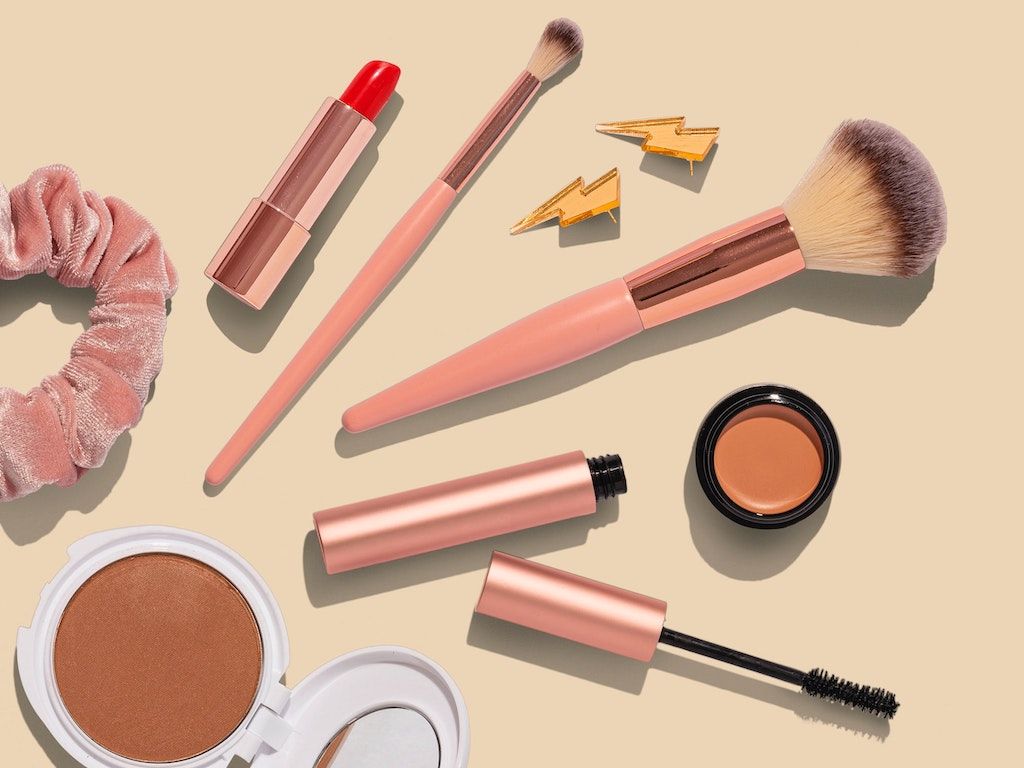
In 2026, you no longer need a factory or large capital to launch a beauty brand. With private-label manufacturers, global B2B marketplaces, and social commerce at your fingertips, building a scalable beauty business has never been more accessible, even as a first-time entrepreneur.
The beauty industry is growing rapidly, with thousands of entrepreneurs launching brands both online and offline every month. Whether you dream of a skincare line, a haircare range, or an organic beauty collection, this guide walks you through every step, from product selection to marketing.
Before anything else, decide what type of beauty products you want to sell. This decision shapes your entire business model, from profit margins and supplier selection to marketing strategy and target audience.
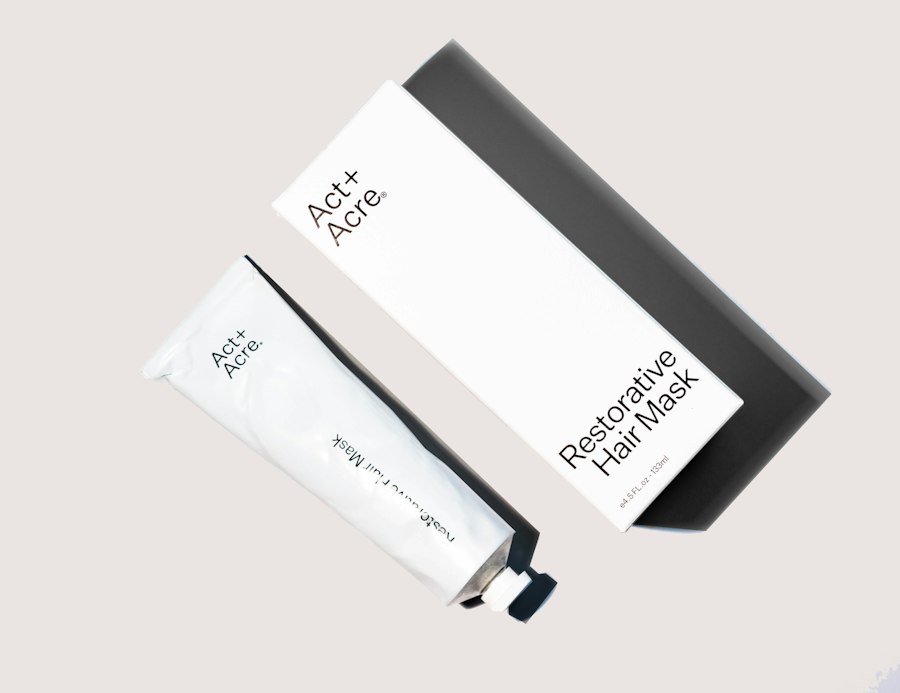
Serums, cleansers, and moisturizers. High repeat-purchase rates make this one of the most stable and profitable beauty categories for new brands.
A competitive but strong market. Focus on a unique angle, an ingredient, a finish, or a niche audience to make your products stand out from established brands.
An evergreen category with consistent demand. Success comes from new formulations and smart, user-friendly packaging that solves real hair concerns.
Fast-growing segment driven by health-conscious consumers. Great for building authentic trust and attracting loyal, values-aligned customers.
Korean beauty has set global standards with glass-skin results and gentle formulations. A K-beauty-inspired line can tap into an enormous, trend-driven audience.
Once your product category is chosen, you need to decide how you will produce it. There are four main models — each with different levels of control, cost, and effort.
| Model | Control | Effort | Best For |
|---|---|---|---|
| DIY | Full | Very High | Hobbyists, testing only |
| Private Label | Medium | Low | Beginners, fast launch |
| OEM | High | Medium-High | Custom formulation brands |
| ODM | Low | Very Low | Quick-launch, branding focus |
💡 Beginner Tip: Private label is the most recommended starting point. You choose an existing formula, add your branding, and start selling, without the complexity of developing formulations from scratch. Many successful beauty brands began this way before eventually moving to OEM.

Finding the right supplier is one of the most critical steps in launching your beauty brand. Your supplier directly determines your product quality, cost structure, and delivery reliability.
B2B marketplaces are the fastest and most reliable way to connect with verified manufacturers worldwide. Beautetrade is one such platform specifically focused on the global beauty market, ideal for new and growing beauty brands to source quality products and connect with certified manufacturers. Other popular platforms include Alibaba and Global Sources.
Look for flexible minimum order quantities, especially when starting out. High MOQs can cause overstocking and cash flow problems.
Verify GMP, ISO, or relevant cosmetic certifications. These are mandatory if you plan to sell internationally.
Check for custom labeling and packaging services. Premium packaging directly influences customer perception and buying decisions.
Always order samples before placing bulk orders. Test texture, scent, stability, and packaging quality thoroughly.
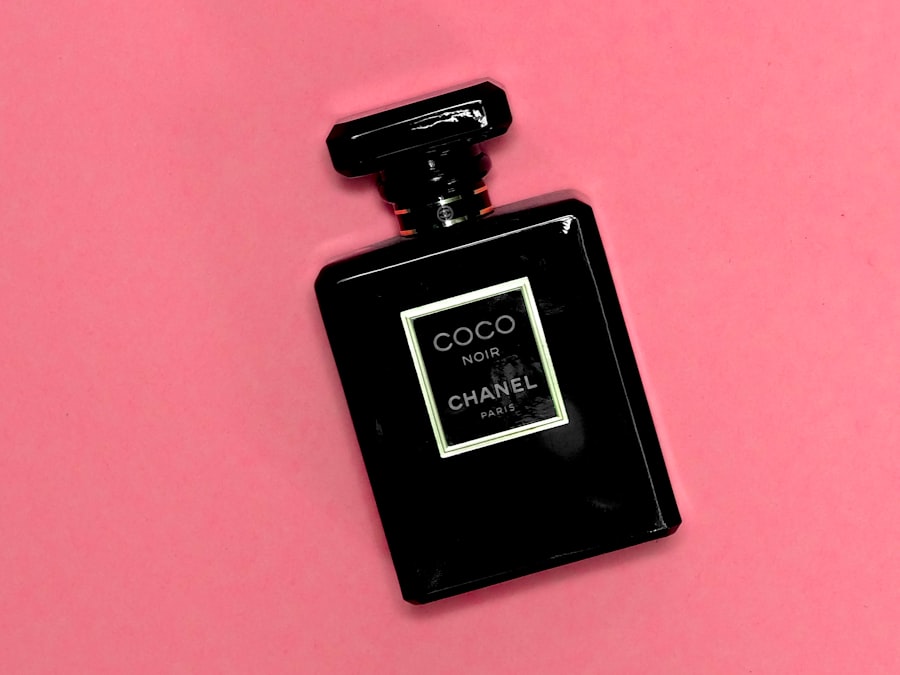
Your brand is what separates you from every other beauty product on the shelf. In a crowded market, great branding is not optional — it is the deciding factor in whether a customer chooses you or your competitor.
⚠️ Important: Cosmetic regulations vary significantly by country. Failing to comply can result in product bans, recalls, or legal consequences. Always consult a regulatory specialist before entering a new market.
Before selling your products, understanding cosmetic compliance is non-negotiable. Here are the four key areas to cover:
All ingredients must be listed on product labels in the correct INCI format. This is essential for customer safety and regulatory compliance worldwide.
Stability testing, microbial testing, and patch testing verify that products are safe for consumers. These are not optional steps — they protect your brand.
The USA follows FDA guidelines while Europe follows the EU Cosmetics Regulation. Both require specific documentation and ingredient approvals.
Every formula must be tested for safety, efficacy, and stability before it reaches the market. This protects your customers and shields your brand from costly complaints.
In 2026, there are more channels than ever to sell beauty products. The best strategy is to start with one or two channels, master them, and then expand.

Leverage Amazon's massive customer base for fast sales and instant credibility. Ideal for reaching buyers who are already searching for beauty products.
TikTok Shop is a game-changer for beauty brands in 2026. Short product demos can go viral, driving rapid awareness and direct sales simultaneously.
Sell in bulk to salons, spas, and retail stores. Wholesale offers higher volume and reliable recurring orders, helping you scale faster with less marketing effort.

Marketing is what transforms a great product into a successful brand. With the right strategy, you can build a loyal customer base without a massive advertising budget.
Post product demos, before-and-after results, and skincare routines on Instagram and TikTok to grow organically.
Partner with micro-influencers in the beauty niche. Authentic recommendations build trust faster than paid advertisements — especially for new brands.
Optimize your website with targeted keywords like "best serum for dry skin" or "natural moisturizer for sensitive skin" to attract consistent organic search traffic.
Share skincare guides, ingredient explainers, and product tips via a blog. Educational content positions your brand as an expert and keeps customers coming back.
Low-cost suppliers often deliver poor quality, leading to customer complaints and damaged brand reputation. Always balance price with quality and reliability.
Weak branding makes it nearly impossible to stand out. If your logo, packaging, and messaging are unclear, customers will not take your product seriously — no matter how good the formula is.
Launching without thorough safety and performance testing is a fast track to bad reviews, returns, and potential legal issues. Test every product properly before bringing it to market.
Common questions about starting a beauty business in 2026
With private-label manufacturing, you can start a beauty brand with as little as $500–$2,000 USD. This covers small MOQ orders, basic branding, and an entry-level e-commerce setup. OEM and custom formulations require higher investment, typically starting from $3,000–$10,000 depending on complexity and order quantity.
Private label means choosing a ready-made formula from a manufacturer and adding your own branding and packaging. OEM (Original Equipment Manufacturing) gives you more control — you can customize the ingredients, texture, and formulation from the ground up. Private label is faster and cheaper; OEM delivers a more unique, branded product.
Most cosmetics in the USA do not require pre-market FDA approval, but they must comply with FDA safety and labeling regulations. However, products that make drug-like claims (e.g., "reduces wrinkles by 80%") may be classified differently. In Europe, cosmetics must follow the EU Cosmetic Regulation and undergo a mandatory safety assessment before they can be sold.
The best platforms depend on your goals. Shopify is ideal for building your own branded store with full control. Amazon provides access to millions of buyers immediately. TikTok Shop is the fastest-growing channel for beauty brands in 2026, thanks to viral video content. Most successful brands use a combination of all three to maximize reach and revenue.
The most effective way is through specialized B2B beauty marketplaces like Beautetrade, which connects buyers with verified global manufacturers. You can also use Alibaba or Global Sources. Always verify certifications (GMP, ISO), request product samples, check MOQs, and communicate directly with the manufacturer before committing to any order.
Skincare is generally the most profitable category for beginners. Products like serums, moisturizers, and cleansers have high repeat-purchase rates, strong consumer demand, and relatively straightforward regulatory requirements compared to color cosmetics. Starting with one hero skincare product and building from there is a proven strategy used by many successful brands.
Start with organic content on TikTok and Instagram — product demos, tutorials, and before-and-after results can gain significant traction without paid advertising. Collaborate with micro-influencers (5K–50K followers) who often accept product gifting in exchange for reviews. Building an SEO-optimized blog with skincare tips and guides also generates long-term free traffic to your store.
Starting a beauty business in 2026 is more achievable than ever. You do not need to manufacture anything yourself. Choose your niche, partner with the right supplier, build a strong brand, and focus on marketing. The beauty industry rewards those who are consistent, creative, and customer-focused.
This article is intended for informational purposes. Always consult a legal and regulatory specialist before launching cosmetic products in any market. Beauty industry regulations vary by country and product type.
 Most Popular