Beautetrade.com
3 min Read
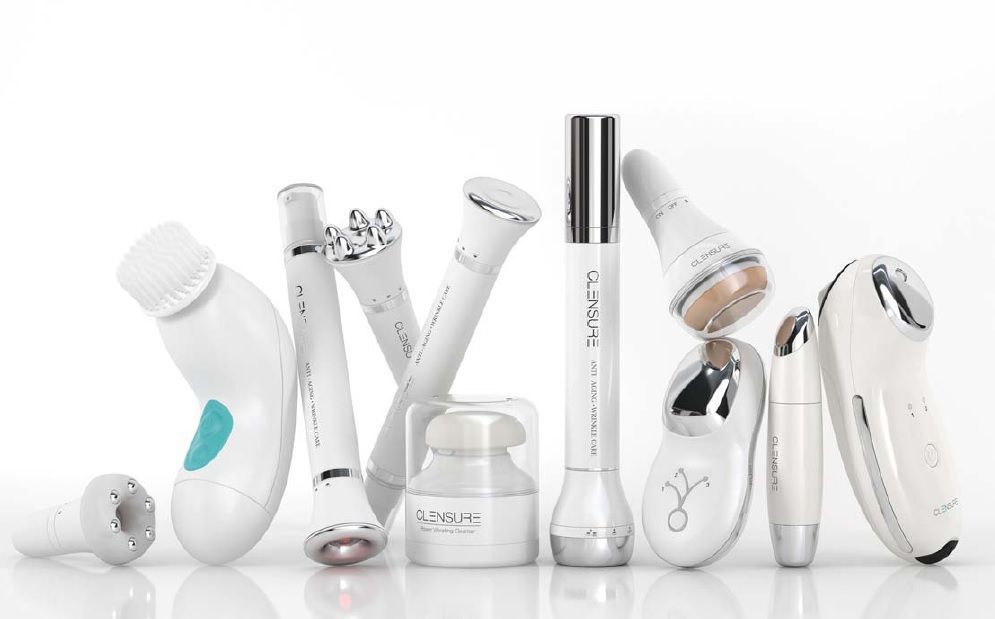
The beauty industry is growing fast across many countries. More salons and clinics now invest in advanced beauty machines. This creates strong demand for global suppliers and exporters. Many businesses now search for ways to sell beauty equipment in international markets. Buyers want trusted suppliers with quality products and fast support.
Exporters can build strong profits by targeting the right countries and industries. Good branding and pricing strategies also help businesses grow faster. Companies that understand customer needs can build long term partnerships. This blog explains simple ways to expand your export business and attract global B2B buyers with effective marketing and professional business strategies.
The beauty equipment market is becoming larger every year. Salons and aesthetic clinics want modern machines that offer fast treatments and better results. Many buyers now search online for a complete beauty equipment export guide before choosing suppliers. This industry includes skincare devices, salon furniture laser systems and wellness machines.
Different countries have different product demands and budget levels. Some buyers focus on luxury beauty devices while others prefer affordable equipment. Exporters should study market trends before entering a new region. Understanding customer behavior helps businesses choose the right products and improve sales performance. In-depth market research also helps reduce risks in international trade operations.
Beauty equipment with advanced technology usually performs better in international markets. Buyers prefer machines that are easy to use and offer reliable treatment results. Many clinics now invest in laser beauty equipment because of growing customer demand for non surgical treatments. Popular products include facial machines, slimming systems, LED therapy devices and tattoo removal machines.
Salon owners also look for durable furniture and skincare equipment with certifications. Safety and warranty support are very important for international buyers. Exporters should focus on products with strong market demand and good profit margins. High quality beauty machines can help businesses build trust and attract long term B2B customers worldwide.
Many countries import beauty equipment because the beauty industry continues to expand globally. The Middle East is a strong market for luxury beauty devices and premium salon products. European buyers often focus on certified equipment with advanced safety standards. Asian markets usually prefer affordable and modern beauty machines for growing salon businesses.
Many distributors now search for beauty equipment for salons wholesale to reduce sourcing costs and increase profits. The United States also remains an important market for aesthetic devices and skincare technology. Exporters should study local customer needs before entering a market. Strong research can help businesses target profitable regions and improve international sales opportunities.
A professional brand helps exporters attract more buyers in competitive markets. International customers prefer companies that look reliable and experienced. Businesses that learn how to sell salon equipment globally often focus strongly on trust and branding.
A professional website can improve business credibility and generate more inquiries. High quality product images and videos also help buyers understand product features better. Certifications and warranties increase customer confidence during purchasing decisions.
Fast communication and technical support are also important for B2B success. Companies with strong branding often receive repeat orders and long term partnerships. A trusted reputation can help exporters grow faster in international beauty equipment markets.
Finding international buyers is one of the biggest challenges for exporters and traders. Businesses should use both online and offline marketing methods to generate leads. Many companies search online to learn how to export beauty equipment before entering global markets.
B2B buyers often prefer suppliers that respond quickly and provide complete product details. Strong communication can improve trust and increase conversion rates. Exporters should also stay active on digital platforms and trade networks. Building relationships with distributors and salon owners can create long term business opportunities. Companies that invest in buyer engagement and professional support often achieve better results in international trade.
Online B2B marketplaces help exporters connect with buyers from different countries. Many salon owners and distributors search on platforms like BeauteTrade.com for trusted suppliers and new products. Businesses that want to improve how to sell beauty equipment online should create professional product listings with certifications and clear details.
Good product images can improve buyer confidence and increase inquiries. Fast replies also help businesses build stronger customer relationships. BeauteTrade.com provides human assistance for buyers and sellers which makes communication and sourcing easier for new businesses and SMEs. Verified company profiles and customer reviews can also increase trust. Strong marketplace visibility can help exporters generate consistent international B2B leads.
Offline marketing still plays an important role in the beauty equipment industry. Many buyers prefer face to face meetings before placing large orders. Businesses that understand how to sell salon equipment globally often invest in trade shows and networking events. International beauty expos and medical aesthetics exhibitions help exporters showcase products directly to buyers.
Chamber of commerce events also help companies connect with distributors and business partners. Live product demonstrations can improve buyer confidence and increase sales opportunities. Personal meetings often build stronger trust than online communication alone. Exporters that combine online and offline marketing strategies can improve brand visibility and attract more international customers successfully.
International beauty expos help businesses meet distributors, salon owners and clinic buyers from many countries. These events are useful for product demonstrations and market networking. Many exporters attend exhibitions to promote laser beauty equipment and advanced skincare machines to professional buyers. Visitors often prefer testing products before making large purchasing decisions.
Trade expos also help businesses study competitor products and understand current industry trends. Companies can build brand awareness and generate export leads during these events. Networking with industry professionals can create valuable long term business partnerships. Businesses that regularly participate in beauty expos often improve their international visibility and expand distribution opportunities in global markets.
Pricing is very important in the beauty equipment export business. International buyers compare products from many suppliers before making decisions. Businesses that follow a strong beauty equipment export guide usually focus on competitive and profitable pricing strategies. Exporters should calculate all costs carefully before sending quotations. Pricing should include manufacturing expenses, shipping costs and distributor margins.
Flexible pricing can help companies attract larger buyers and long-term business partners. Clear price structures also improve customer trust during negotiations. Exporters should study competitor pricing and local market demand before entering new countries. Smart pricing decisions can improve sales performance and increase long term profitability.
Good pricing strategies help exporters compete in international markets. Businesses should balance product quality with affordable pricing for buyers. Many companies that learn how to export beauty equipment use flexible pricing models to attract distributors and wholesalers. Wholesale pricing is useful for bulk orders and repeat buyers. MOQ discounts can encourage customers to purchase larger quantities.
OEM pricing also helps businesses enter private label markets. Some suppliers now offer leasing options for clinics and salons with smaller budgets. Flexible pricing structures improve buyer satisfaction and support market expansion. Exporters that provide value and reliable support often achieve stronger long term business growth in competitive industries.
Many factors affect the final price of beauty equipment in global markets. Businesses should calculate all costs carefully before offering prices to buyers. Companies that sell beauty equipment for salons wholesale often focus on balancing quality and affordability. Manufacturing costs, shipping charges and import taxes can increase final pricing significantly.
Distributor margins and warranty expenses also affect profitability. Technical support and after-sales service should also be included in pricing plans. Exporters must understand local market conditions before setting product prices. Accurate cost planning helps businesses avoid financial losses and improve profit margins. Strong pricing management also helps companies stay competitive in international beauty equipment markets.
Profit margins in beauty equipment trading usually range from 20 percent to 50 percent. Profit levels depend on product quality certifications branding and target market demand. Businesses that know how to sell beauty equipment successfully often achieve higher profits through strong branding and customer support.
Premium beauty devices usually generate better margins because buyers value advanced technology and reliable service. OEM and private label products can also increase profitability for exporters and traders. Long-term distributor partnerships help businesses maintain stable revenue and repeat orders. Companies that invest in quality products and professional communication often build stronger international reputations and achieve better financial growth over time.
Logistics and compliance are important parts of the international beauty equipment trade. Exporters must ensure products arrive safely and on time. Businesses that understand how to export beauty equipment usually focus strongly on shipping management and customs compliance. Proper packaging reduces damage risks during transportation. Accurate product documentation helps avoid customs delays and import issues.
Exporters should also understand voltage requirements and local product regulations before shipping internationally. Working with experienced logistics companies can improve delivery performance and customer satisfaction. Reliable shipping support builds buyer trust and encourages repeat business. Strong logistics systems also help exporters reduce operational risks in international markets.
Many exporters face problems during international shipping and customs clearance. Careful planning can reduce business risks and delivery delays. Companies that follow a professional beauty equipment export guide often prepare documents and compliance details before shipment. Common export problems include damaged products, incorrect paperwork and customs delays.
Businesses should work with reliable logistics providers and maintain clear communication with buyers. Proper packaging and shipping insurance also help reduce financial losses. Exporters should understand local import regulations before entering a new country. Strong preparation improves customer satisfaction and reduces operational problems. Businesses that manage export challenges effectively can build stronger long term relationships with international buyers.
The beauty equipment industry will continue growing in the coming years. More customers now prefer non-invasive skincare treatments and modern beauty technologies. Businesses that learn how to sell salon equipment globally can benefit from rising international demand. AI-powered skincare devices and smart beauty machines are becoming more popular in clinics and salons.
The growth of med spas also increases demand for advanced treatment equipment worldwide. Digital marketing and online visibility will become more important for exporters in future markets. Companies that invest in innovation and customer experience can build stronger competitive advantages. Technology and professional service will play a major role in long-term business success.
Selling beauty equipment internationally offers strong opportunities for exporters and traders. The global beauty industry continues to grow because more consumers invest in skincare and wellness treatments. Businesses that understand how to sell beauty equipment can build profitable, long-term operations in global markets. Success depends on product quality, smart pricing and reliable customer support. Exporters should also focus on certifications, digital marketing and professional communication with buyers. Strong branding helps businesses stand out in competitive industries. Companies that provide fast support and smooth shipping services often gain repeat orders and trusted partnerships. Careful planning and market research can help exporters achieve sustainable international business growth.
 Most Popular