Beautetrade.com
3 min Read
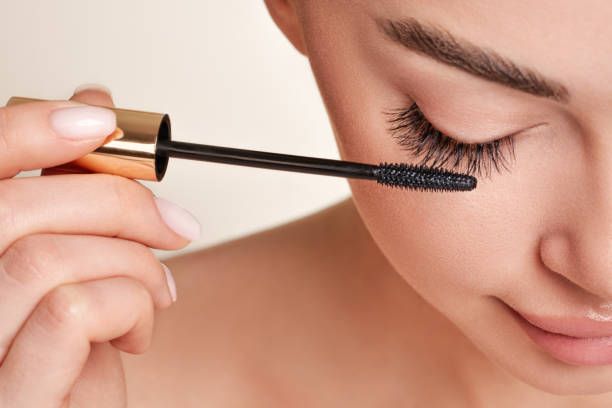
Mascara is one of the most in-demand makeup products around the world. The beauty industry is a forever-evolving industry that is continuously growing at a remarkable pace. People use mascara as their daily makeup routine, which makes it a high-repeat purchase product with strong profit potential. For entrepreneurs who are looking for profitable cosmetic business ideas or planning to launch a mascara brand, there are exciting opportunities ahead in the market.
With the rise of e-commerce, social media marketing, and private-label manufacturing, it has now become easier than ever to start a mascara business and reach customers from around the world. If you want to learn how to start a mascara business from scratch or expand an existing beauty brand, then this blog is for you.
From product development and branding to compliance and marketing, every step plays a key role in long-term growth. Startup costs can be flexible, branding opportunities are extensive, and the business model is highly scalable. This guide covers the 7 essential steps to help you build, launch, and grow a successful mascara brand while learning how to sell mascara online effectively in 2026.
The global beauty industry continues to expand, with eye makeup products remaining a strong-performing category. According to Grand View Research, the global eye makeup market size is projected to reach USD 26.8 billion by 2030, growing at a CAGR of 5.7%. The market is experiencing steady growth driven by changing beauty trends and increasing consumer spending on cosmetics.
Consumers are looking for innovative products that deliver better performance and convenience. Long-lasting, smudge-proof, waterproof, vegan, and clean beauty mascaras are becoming increasingly popular. Many customers also seek formulas designed for sensitive eyes and lash-enhancing benefits. Social media platforms have further increased beauty trends, creating constant demand for new mascara products and specialized formulations.
Mascara is often considered a beauty essential. Unlike many cosmetic products, it requires frequent replacement, creating strong repeat purchase opportunities. This recurring demand helps brands generate consistent revenue and build long-term customer relationships.
Businesses can further increase revenue through subscription programs, product bundles, and loyalty rewards. Customers who find a mascara they love often remain loyal to the brand, making customer retention easier compared to many other product categories.
The growth of direct-to-consumer beauty brands has transformed the cosmetics industry. Entrepreneurs can launch online stores without investing heavily in physical retail locations. This reduces startup costs while providing access to a global customer base.
Social commerce platforms such as Instagram, TikTok, and Facebook make it easier to showcase products through tutorials, reviews, and influencer collaborations. Combined with strong content marketing and e-commerce strategies, online channels provide significant growth opportunities for new mascara businesses.
Starting a mascara business involves researching the market, defining your brand, choosing a manufacturing method, ensuring regulatory compliance, creating packaging, building sales channels, and launching a marketing strategy. Here is a 7-step guide to start:
A successful mascara brand begins with understanding customer needs and market demand. Research popular categories such as waterproof, vegan, sensitive-eye, lengthening, and volumizing mascaras to identify opportunities. Analyze competitors’ products, pricing, positioning, and customer reviews to uncover market gaps and unmet expectations.
Use keyword research, social media trends, beauty forums, and online communities to validate demand and understand consumer preferences. This research helps you select a profitable niche, develop relevant products, and create a stronger competitive advantage.
A strong brand identity helps customers recognize and trust your mascara business. Start by defining your unique selling proposition (USP), such as clean beauty, luxury cosmetics, vegan formulas, or affordable everyday makeup. A clear USP improves positioning and marketing.
Then create a memorable brand name, logo, color palette, and packaging that reflect your target audience. Ensure consistency across all channels. Finally, build a compelling brand story that communicates your mission, values, and inspiration to create an emotional connection and long-term customer loyalty.
Selecting the right manufacturing model is a key step when starting a mascara business. Private-label mascara is often the preferred choice for startups because it offers faster market entry, lower upfront costs, and access to pre-tested formulations. This approach allows businesses to focus on branding, marketing, and sales while reducing operational complexity.
For brands seeking greater product differentiation, custom formula development provides full control over ingredients, performance, and packaging, though it requires higher investment and longer development timelines. Platforms like BeauteTrade can help businesses connect with reliable mascara manufacturers and suppliers. Before launching, conduct product stability, safety, and consumer testing to ensure quality, compliance, and long-term customer satisfaction.
Building a compliant beauty brand protects your business and customers. Start by registering your company and choosing the right business structure. Depending on your region, you may need licenses or permits to manufacture, import, or sell cosmetic products. Proper registration ensures a solid legal foundation for growth and partnerships.
Cosmetic regulations differ by market, so ensure ingredient lists, labeling, and product claims meet all requirements. Maintain safety testing records and consider product liability insurance for added protection. Finally, trademark your brand name and logo to secure intellectual property and prevent imitation in the competitive beauty industry.
Packaging plays a key role in influencing customer buying decisions by improving shelf appeal and the unboxing experience. Well-designed mascara packaging reflects product quality, builds trust, and reinforces brand identity through consistent use of colors, materials, typography, and tube design aligned with your target audience.
As the business grows, expand your product line with variants such as waterproof, lengthening, volumizing, curling, and colored mascaras to reach a wider market and increase sales. Focus on performance, comfort, and easy application. Eco-friendly and sustainable packaging can further strengthen brand positioning and appeal to conscious consumers.
A strong sales strategy turns a quality product into a profitable business. Start with a mobile-friendly e-commerce website that is easy to navigate and optimized for conversions. Include product images, clear descriptions, reviews, and secure payment options to build trust and control branding, data, and margins.
Also sell through Amazon, Etsy, and beauty marketplaces to reach wider audiences. Wholesale partnerships with salons and retailers can add revenue streams. Set pricing by considering production, packaging, shipping, and marketing costs while maintaining competitive yet value-driven pricing for sustainable growth and customer satisfaction.
A successful launch begins before the product is available. Build anticipation using waitlists, email marketing, and social media teasers. Sharing previews, behind-the-scenes content, and early feedback helps drive interest and pre-orders.
Influencer marketing is highly effective in the beauty industry, especially through tutorials and reviews by aligned creators. Strengthen visibility with SEO content, beauty blogs, and product comparisons. Paid ads on search and social platforms can expand reach. After launch, track key metrics like conversion rate, acquisition cost, and repeat purchases to refine strategy and support scalable growth.
1. Finding Reliable Manufacturers
Selecting the right manufacturing partner can directly impact product quality, consistency, and customer satisfaction. Compare multiple suppliers, request product samples, review quality certifications, and evaluate production capacity before making a commitment.
2. Standing Out in a Competitive Market
The beauty industry is highly competitive, making differentiation essential. Focus on a specific target audience, develop a strong brand identity, and highlight unique product features that provide clear value to customers.
3. Managing Inventory and Cash Flow
Balancing inventory levels and available capital is a common challenge for new brands. Start with manageable order quantities, track sales performance regularly, and avoid excessive stock purchases during the early growth stage.
4. Ensuring Consistent Product Quality
Maintaining product quality is critical for building customer trust and encouraging repeat purchases. Implement regular quality control processes, partner with reputable manufacturers, and use customer feedback to support continuous product improvement.
5. Building a Foundation for Long-Term Growth
Successful mascara businesses prioritize product quality, brand credibility, regulatory compliance, and customer satisfaction. Consistent attention to these areas helps create a strong foundation for sustainable business growth and market expansion.
Starting a mascara business requires careful planning, market research, and a strong commitment to quality. By following these 7 steps, researching the market, building a brand, choosing the right manufacturing method, meeting compliance requirements, creating attractive packaging, establishing sales channels, and implementing effective marketing, you can create a strong foundation for long-term success. Focus on a clear niche, deliver products that meet customer needs, and build trust through consistent branding and performance.
With the right strategy and scalable business model, your mascara brand can grow into a profitable and recognized name in the beauty industry.
 Most Popular
 Editor's Pick
 Related Products