Beautetrade.com
3 min Read
Did you know that the global beauty and personal care market is expected to reach over $800 billion by 2030? The personal care market is one of the largest segments. These products are now used by millions of people every day. The growth is driven by skincare, cosmetics, and fragrance segments, with total revenue expanding through 2030. The Asia and MENA regions show specific regional developments.
As the industry is growing rapidly, packaging is also becoming more important than ever. In 2026, beauty brands are using creative cosmetic packaging design to attract and engage customers and to show the true value of the brand. Nowadays, modern buyers only care about sustainable beauty packaging with eco-friendly materials and recyclable containers. Moreover, technology and eco-conscious consumers are now also shaping how products are packaged. In this article, we will discuss the top highly in-demand trends for 2026 that are leading the cosmetic and beauty packaging industry.
In the modern beauty market, packaging has become a powerful marketing tool. Creative designs, attractive containers, and premium materials help brands to stand out in the competitive, crowded store shelves and online platforms. Most of the customers first notice the packaging before they even try the product. Research by McKinsey & Company shows that packaging has a big impact on how people choose beauty products.
Today’s customers expect eco-friendly packaging. Many people want brands to reduce plastic waste and use recyclable materials. Regulators and governments are also introducing strict rules on single-use plastics. Beauty companies need to adopt sustainable cosmetic packaging innovations, such as biodegradable containers and refillable systems.
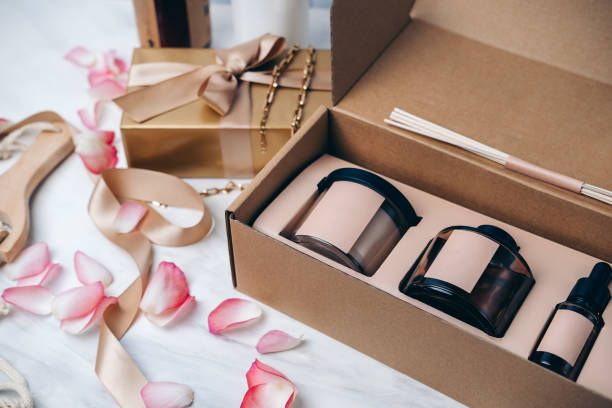
Packaging has now become an important part of brand storytelling. It shows the real brand personality values and product quality. Many luxury skincare brands may use elegant glass bottles. A clean beauty brand might use simple paper packaging. By designing carefully, brands can show they value trust, quality, and sustainability.
Nowadays, consumers are becoming more aware of packaging waste. Most of the buyers now check if beauty products use refillable and recyclable eco-friendly cosmetic containers. Also, sustainable beauty packaging has become a strong selling point. The popularity of social media has also changed buying habits. Attractive packaging often becomes the most essential part of the customer experience. People often share attractive cosmetic packaging in product reviews, unboxing videos, and beauty blogs. Customers also like practical packaging. Features such as easy-to-use pumps, travel-friendly containers, and hygienic designs make products easier to use.
- Packaging helps brands in showing their real identity and values. Design style and color materials communicate the actual brand story.
- Many luxury brands often use metallic finishes and heavy glass bottles. Most of the natural skincare brands use bamboo paper and soft, earthy colors in their packaging.
- Consistent packaging design helps customers recognize a brand more easily. When people see the same style on store shelves or online, they can quickly spot the brand.
The following are the latest beauty packaging trends for 2026:
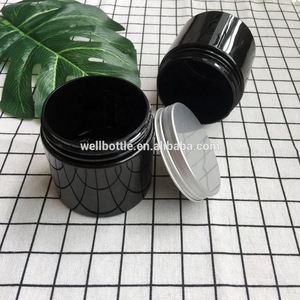
In 2026, sustainability is the biggest trend that is shaping beauty packaging. Currently, many brands or big beauty businesses are switching to biodegradable cosmetic packaging, recyclable containers, and plant-based plastics. These materials help in reducing environmental waste. With recyclable and durable properties, glass jars are becoming popular again. Paper tubes are also widely used for skincare creams, lip balms, and solid beauty products. Another eco-friendly option is bamboo packaging because bamboo grows quickly and is renewable.
Consumers now want brands to reduce plastic waste and use sustainable packaging materials. Eco-friendly packaging helps protect the planet and also builds customer trust. Beauty brands that use green packaging often appeal to customers who care about the environment.
In the beauty industry, refillable packaging systems are now becoming a major innovation. Refillable beauty packaging uses durable, reusable containers with lightweight, replaceable refills. This approach helps cut down on waste and can reduce plastic use by 50 to 80 percent. Most of the skincare brands, such as Sephora, The Body Shop, and Kiehl's, are now offering sustainable, affordable, and luxurious experiences by working to eliminate the 95% of cosmetics packaging that usually ends up as waste. The popular products are reusable cosmetic compacts, refillable perfume bottles, and refill pods for creams or foundations. Customers replace just the product inside, while the outer container stays the same.
The refill system helps in reducing packaging waste. Refill products help consumers save money since they usually cost less than buying the full packaged versions. Some beauty brands now offer subscription services, so customers get regular refills delivered automatically. This approach supports sustainability and helps build long-term brand loyalty.
Technology is playing a key role in the world of beauty packaging. Smart packaging allows brands to connect directly with customers through digital features. Many cosmetic products now include QR codes on packaging. When customers scan a product, they can view information, tutorials, or ingredient details. Some brands also use NFC chips so smartphones can quickly access product content.
Another exciting innovation is augmented reality packaging. Customers can easily scan the package and see virtual makeup tutorials or product demonstrations. Smart packaging uses authentication technology to help stop counterfeit/fake products. These online tools make it easier for customers to engage with products. They also help people learn more about products and make it simpler to track items through the supply chain.
In modern beauty branding, minimalist packaging is also becoming very popular. Many brands can now easily use soft neutral colors, simple designs, and clear typography. Clean packaging designs use fewer graphics and less ink. This not only helps the environment by reducing printing materials, but also gives products a premium, elegant look. Today’s consumers value simple, calm designs. Minimalist packaging appears modern, trustworthy, and sophisticated. It also fits the trend toward clean beauty and clear ingredient lists.
In the beauty packaging sector, personalization is becoming an important strategy. Most of the brands now offer customized packaging experiences for their customers. Buyers can add their names to products, choose custom colors, and buy limited edition packaging. Some companies now use AI to suggest personalized product packaging that fits what customers like. Personalized beauty packaging helps customers feel more connected to a brand. It makes each product seem unique and special. Limited edition packaging can also make people more excited and loyal to the brand.
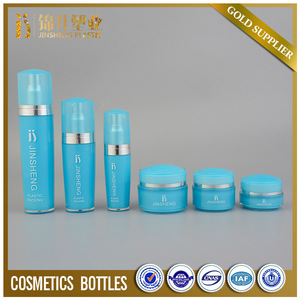
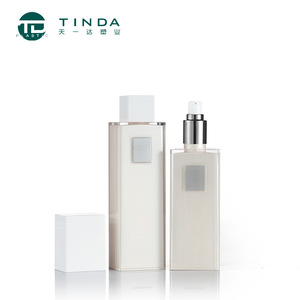
For modern skincare products, airless packaging technology is widely used. It is a vacuum-based dispensing system that prevents product oxidation and contamination by eliminating air contact. Such types of containers use airless pump bottles that protect formulas from oxygen and contamination. This technology keeps skincare ingredients fresh for a longer time. It also makes products last longer and work better.
Airless packaging works well for sensitive cosmetics formulas, pharmaceuticals, skincare serums, and anti-aging creams. Its design also keeps things more hygienic since customers do not touch the product directly.
In 2026, convenience is another major packaging trend. Many businesses or beauty brands are now designing packaging that meets multiple purposes. Some cosmetic containers include built-in applicators that make products easy to apply. Some products combine two items in one package, such as lipstick and lip balm in a single container. Compact, travel-friendly packaging is also popular with customers who want beauty products that are easy to carry. Packaging with more than one function saves space, makes products easier to use, and improves the overall customer experience.
In 2026, eco-friendly materials will lead the future of beauty packaging. Most of the companies are now using PCR plastic recycled material, paper-based packaging, and glass, aluminum, and bamboo. Such types of materials help in reducing environmental burden while sustaining product safety.
- PCR plastic, or post-consumer recycled plastic, helps cut down on the need to make new plastic.
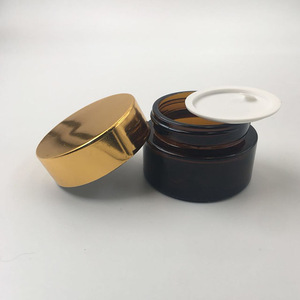
- Glass packaging is strong and easy to recycle, so it works well for luxury skincare products.
- Aluminum is light, durable, and can be recycled over and over, making it a great choice for cosmetic tubes and containers.
- For caps or outer packaging, bamboo is a natural, renewable material that is often used.
- Paper-based packaging is becoming more popular because it is both biodegradable and lightweight. This type of packaging helps beauty brands reach their eco-friendly objectives and attracts green-minded customers.
Many beauty companies work with packaging manufacturers and suppliers to find eco-friendly materials like glass, bamboo, and PCR plastics. Platforms such as BeauteTrade allow cosmetic businesses or brands to explore global options for green containers, pumps, and jars. This global cosmetic B2B marketplace helps you connect with reliable cosmetic packaging manufacturers and suppliers from all around the world. To meet the cosmetic and beauty packaging trends, BeauteTrade is a reliable platform to consider.
To stay ahead, beauty brands must adopt modern packaging approaches:
- Invest in eco-friendly materials
Use plant-based packaging and recyclable, compostable materials. This helps in lowering environmental impacts and building long-term buyer trust.
- Use Digital Packaging Technology
Consider adding QR codes, NFC tags, or interactive packaging features. These options can give customers access to product information, tutorials, and authentication tools.
- Prioritize Refillable Packaging Systems
Consider offering refill pods or reusable containers. This approach may help cut down on waste and also encourage customers to buy again.
- Adopt Minimalist Packaging Design
Using simple, clean packaging can make your brand look better. It also helps you use fewer materials and spend less on printing.
- Understand Sustainability-Minded Consumers
Find out what your customers value and prefer. Many people look for sustainable packaging, fair production, and brands that are open about their practices.
The future of cosmetic packaging looks promising. This sector will be driven by sustainability and advanced AI technology. To reduce material waste and meet the buyers' preferences, artificial intelligence may help brands to design packaging. Also, carbon-neutral packaging will become a major focus. Many beauty businesses are trying to lower their carbon footprint by using eco- friendly production methods and renewable materials.
Furthermore, smart packaging ecosystems are also growing fast. According to Grand View Research, the international smart packaging market could reach over $38 billion by 2030. In the next few years, fully compostable containers and smart packaging systems may become the standard for beauty brands.
The green beauty packaging sector is changing rapidly with a higher growth rate. For beauty brands, sustainability is now one of the most important priorities. Many big beauty brands are now using recyclable materials, biodegradable packaging, and refillable containers. Technology is also a key factor in changing cosmetic packaging. Smart packaging with QR codes and digital tools is making the customer experience better. Personal touches and simple designs also help brands create a stronger identity and build loyalty. In the coming years, beauty packaging will center on innovation, sustainability, and smart technology. Brands that adopt these changes early are more likely to succeed in the competitive beauty market.
 Most Popular
 Editor's Pick
 Related Products